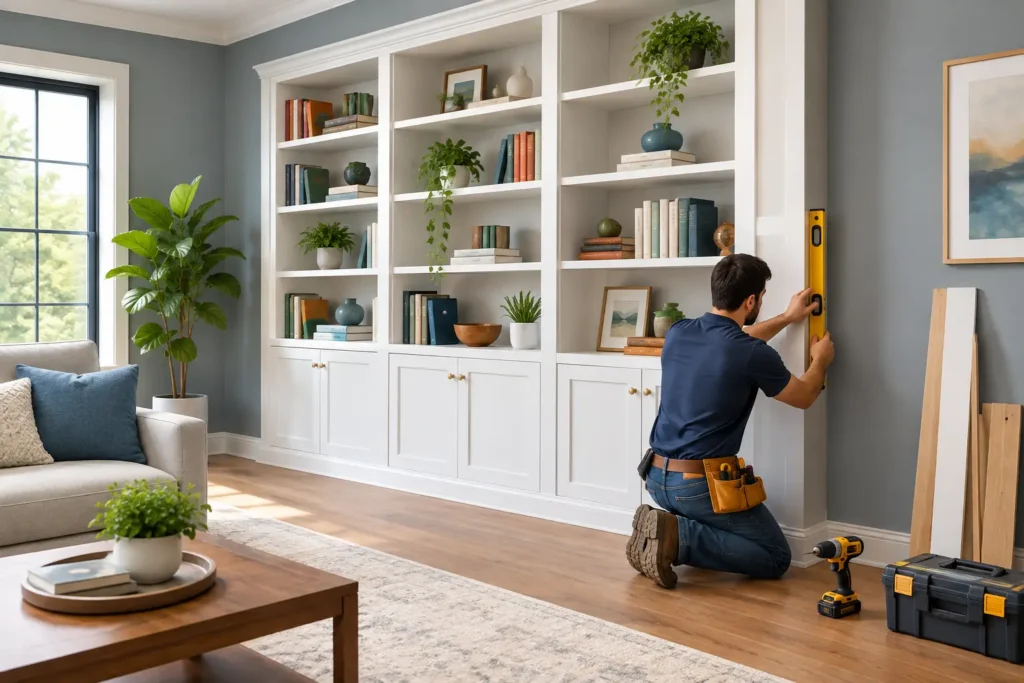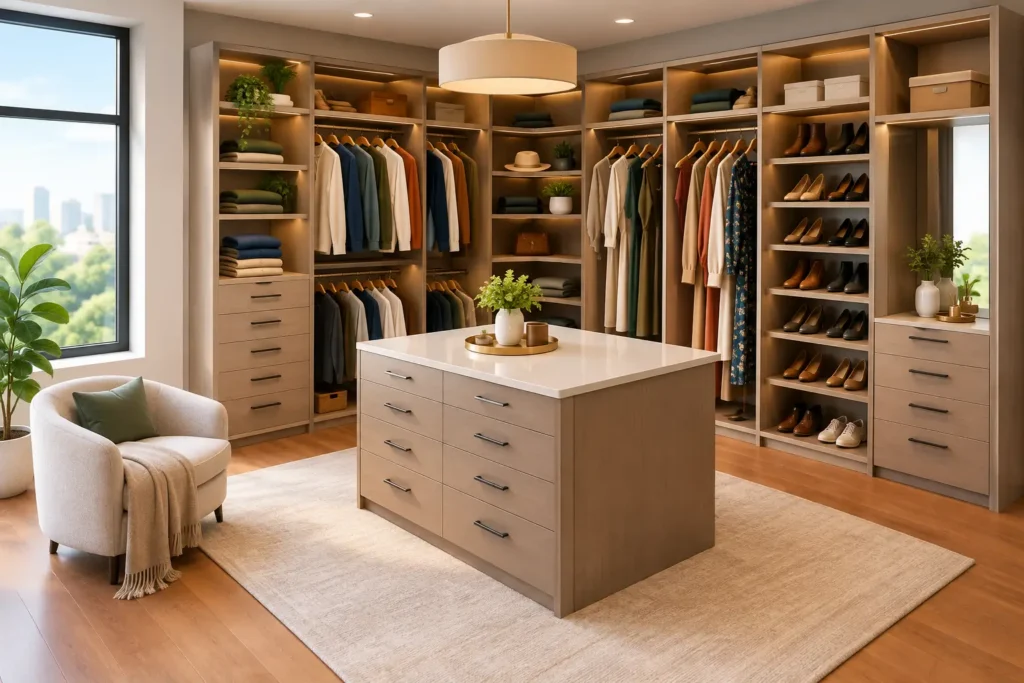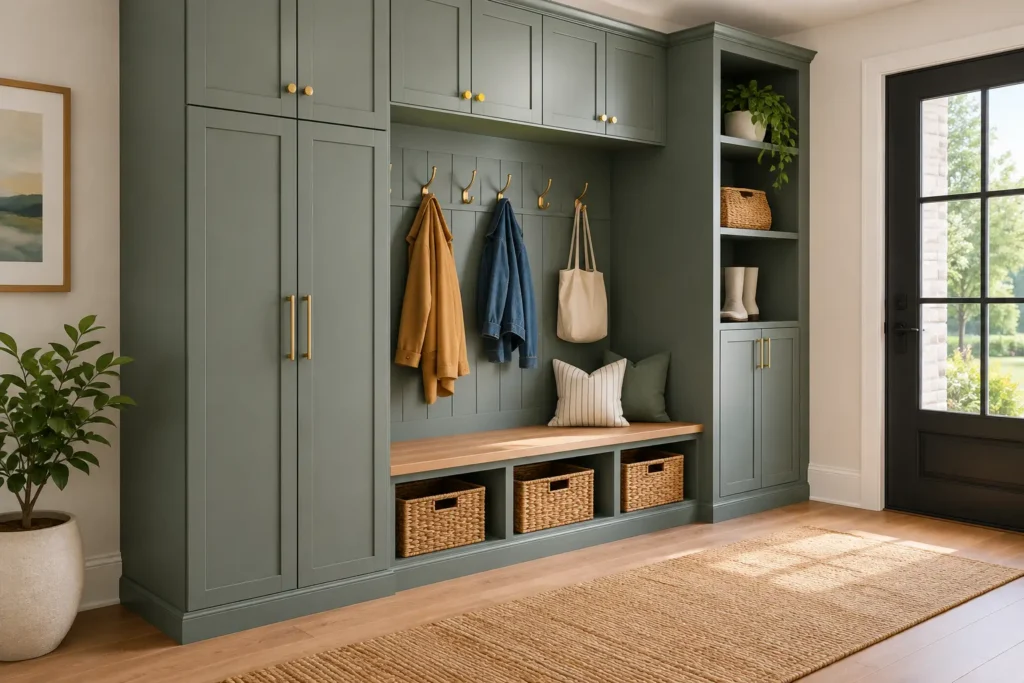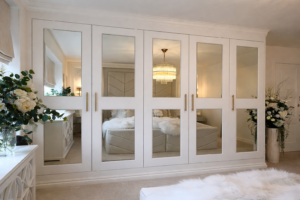
A well-planned built in bookcase installation does more than give books a proper home. It can turn an underused wall, an awkward alcove, or the space around a fireplace into an architectural feature with a clear purpose. When proportion, material selection, and installation are handled carefully, the result feels as though it has always belonged in the home.
For homeowners in Central New Jersey, custom bookcases offer a lasting alternative to freestanding furniture that rarely fits a room perfectly. The right design adds organized storage, visual balance, and refined character without sacrificing the practical needs of daily life.
Start With the Wall, Not the Shelves
Every successful built-in begins with an honest assessment of the space. A wall may look straightforward, yet baseboards, crown molding, floor variations, outlets, return vents, windows, and existing trim all affect the final design. Older homes in particular often have walls and floors that are not perfectly level or square. Quality finish carpentry accounts for those conditions rather than forcing standard components into place.
The first question is not simply how many shelves will fit. It is how the bookcase should relate to the room. In a formal living room, the cabinetry may need to align with fireplace trim, window casings, or ceiling details. In a family room, the priority may be closed storage for games, electronics, and media, with open shelving reserved for books and display pieces. A home office may call for a more work-focused configuration with adjustable shelves, file drawers, and integrated cabinetry.
A tailored design considers sightlines as well. Bookcases flanking a fireplace should feel balanced from across the room, while a full-wall installation should establish a deliberate rhythm rather than reading as a row of boxes. These decisions are subtle, but they are what separate permanent architectural millwork from furniture placed against a wall.
Built-In Bookcase Installation Requires Precise Preparation
Custom cabinetry is only as refined as its installation. Before construction begins, measurements should be verified carefully and the wall conditions reviewed. The installer needs to identify framing locations for secure fastening, note electrical components, and determine how the new millwork will meet surrounding finishes.
This preparation matters because a built-in is expected to remain stable and visually clean for years. Shelves carrying books have significant weight, so the cabinet structure and wall attachment must be designed accordingly. Thin, unsupported shelves may sag over time, and inadequate anchoring can create gaps or movement as the home experiences normal seasonal changes.
The installation sequence also affects the finished appearance. In many projects, existing baseboard is removed so the bookcase can sit properly against the wall and floor. Scribe pieces and finished panels may be used to accommodate small variations in the room without leaving visible gaps. Crown molding, light rail, or custom trim can then connect the cabinetry to the room’s existing architecture.
The goal is a clean, intentional fit. You should not see uneven filler strips, exposed fasteners, rough caulk lines, or trim that appears added as an afterthought. Those details are highly visible in a feature that occupies an entire wall.
Fixed or Adjustable Shelves?
Both options have a place in a custom bookcase. Fixed shelves provide strength and establish a disciplined, tailored appearance. They work especially well when the cabinet is designed around a known collection of books, art, or decorative objects.
Adjustable shelves offer flexibility as storage needs change. A family may begin with children’s books and framed photos, then later use the same bookcase for large-format design books or display objects. Many well-designed installations use both: fixed shelves where structural support and symmetry matter most, with adjustable sections in the open bays.
Shelf depth deserves equal attention. A shallow shelf may look elegant but limit usable storage. A shelf that is too deep can make smaller objects disappear into shadow. For most book collections, a depth that accommodates books comfortably without overwhelming the room creates the best balance. The appropriate dimension ultimately depends on the contents, the wall size, and the style of the home.
Open Shelving Works Best With Hidden Storage Below
An all-open bookcase can be beautiful, but it asks the homeowner to maintain a consistently edited display. That is realistic for some rooms and less practical for others. Lower cabinets introduce flexibility by concealing the items that support everyday life but do not need to be on view.
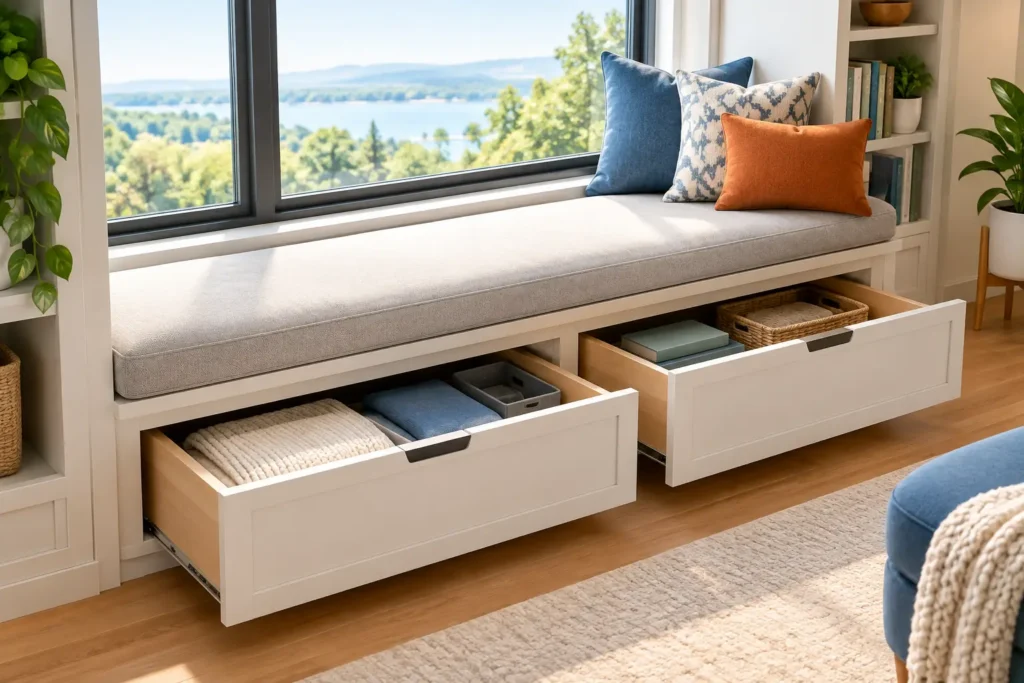
Cabinet doors can hold board games, children’s supplies, media equipment, seasonal décor, or household paperwork. Drawers can be useful near a desk area or in a library designed for reading and work. If the bookcase surrounds a television, lower cabinetry can also help manage components and wiring while keeping the wall composed.
This is where custom work is especially valuable. Instead of choosing between a purely decorative display unit and an oversized storage cabinet, the proportions can be tailored to the way the room is actually used. Open shelves add lightness above, while enclosed storage grounds the composition below.
Consider Lighting Early
Integrated lighting can add depth and warmth to a built-in bookcase, particularly in rooms used during the evening. It can highlight artwork, illuminate darker shelf areas, and make the installation feel more dimensional. It should, however, be planned before the cabinetry is built.
Lighting requires a thoughtful approach to wiring, fixture placement, and access for future service. The objective is an even, understated effect, not bright points that distract from the millwork. In a traditional room, lighting may support a warm, layered atmosphere. In a more contemporary interior, concealed fixtures can reinforce clean lines and a crisp presentation.
If lighting is not part of the immediate scope, it can still be wise to consider future wiring access during the design phase. Planning ahead is generally cleaner and more cost-effective than opening finished cabinetry later.
Choose Materials and Finishes for Daily Use
Built-in bookcases should look refined, but they also need to withstand regular use. The best material choice depends on the desired finish, shelf spans, room conditions, and budget. Painted cabinetry often allows for a timeless, tailored appearance that can coordinate with existing trim. Stained wood can bring warmth and depth, especially in studies, libraries, and traditional interiors.
Durability is not only about the visible finish. Cabinet boxes, shelf construction, edge treatment, hardware, and fastening methods all influence how the installation performs over time. A premium finish cannot compensate for weak structure, undersized shelves, or imprecise assembly.
Color selection should also be considered in relation to the full room. Matching surrounding trim creates a cohesive architectural look. A contrasting color can make the bookcase a purposeful focal point. Neither approach is automatically better. In a room with strong moldings and classic details, matching may preserve visual calm. In a newer space that needs definition, a richer or deeper cabinet color may create the desired presence.
Design for the Room You Have Now and the Home You Want Later
A built-in bookcase is a permanent improvement, so trends should be filtered through the character of the home. Highly decorative profiles, dramatic colors, or very specific display layouts can be effective when they genuinely suit the property and the homeowner’s taste. But timeless proportions, quality materials, and restrained detailing typically provide more lasting value.
That does not mean every bookcase must be traditional. Clean slab doors, simple face frames, symmetrical open bays, and minimal hardware can feel entirely appropriate in a contemporary home. The key is consistency. The bookcase should relate to the home’s doors, trim, flooring, and adjacent cabinetry rather than feeling like a separate design statement.
For projects involving fireplace walls, offices, libraries, or living spaces, professional planning helps resolve these relationships before materials are ordered. With more than 25 years of hands-on experience, DoMolding approaches custom millwork as a complete interior element, balancing storage requirements with the details that make an installation feel refined and built to last.
A carefully crafted bookcase changes the way a room is used long after the installation crew has left. It gives meaningful items a place, reduces visual clutter, and adds the quiet confidence of craftsmanship that belongs to the home rather than merely occupying it.