A room can have beautiful furniture and quality finishes yet still feel unfinished. The difference is often found at the edges: the proportions of a fireplace surround, the fit of built-in cabinetry, the transition from wall to ceiling, or the tailored storage that keeps daily life out of sight. Architectural millwork Central New Jersey homeowners select should do more than fill a wall. It should bring order, character, and a sense that every visible detail belongs in the home.
For established homes in communities from Princeton and Montgomery to Manalapan, Holmdel, and Bridgewater, custom millwork offers a lasting way to improve interiors without relying on temporary solutions. When designed around the room and installed with precision, it can make an ordinary space feel considered, refined, and built to last.
What Architectural Millwork Brings to a Home
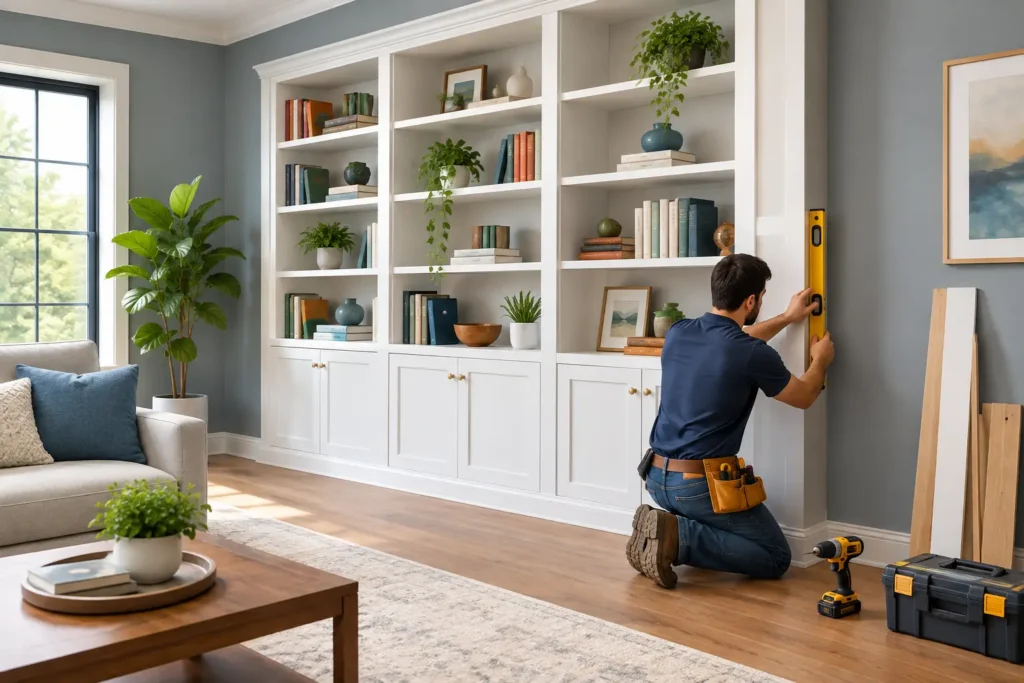
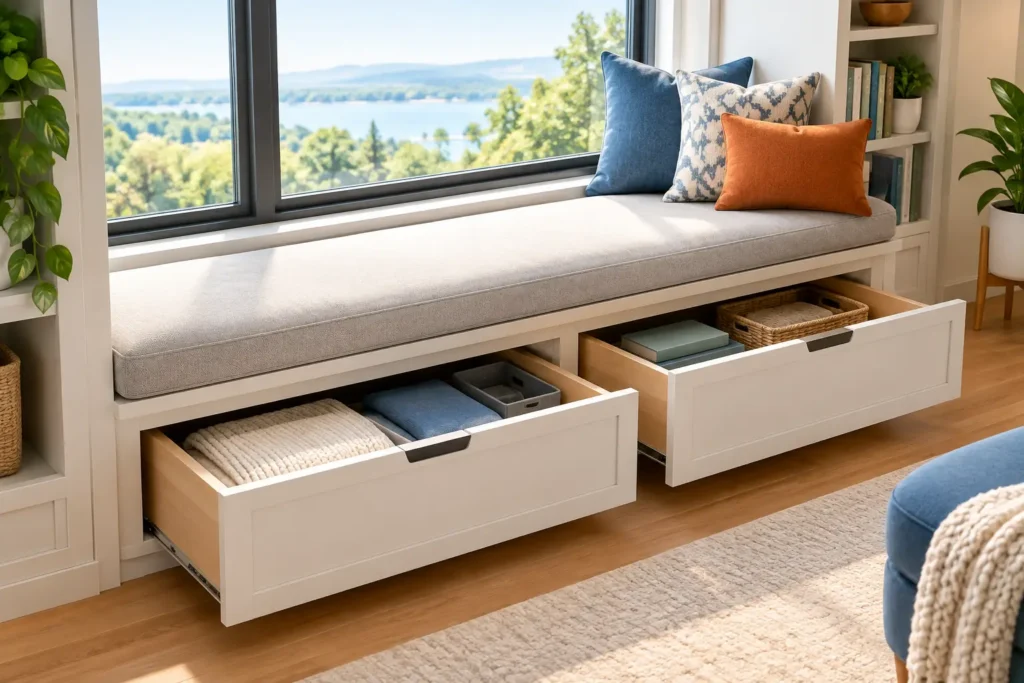
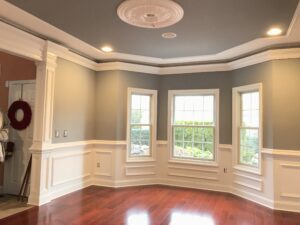
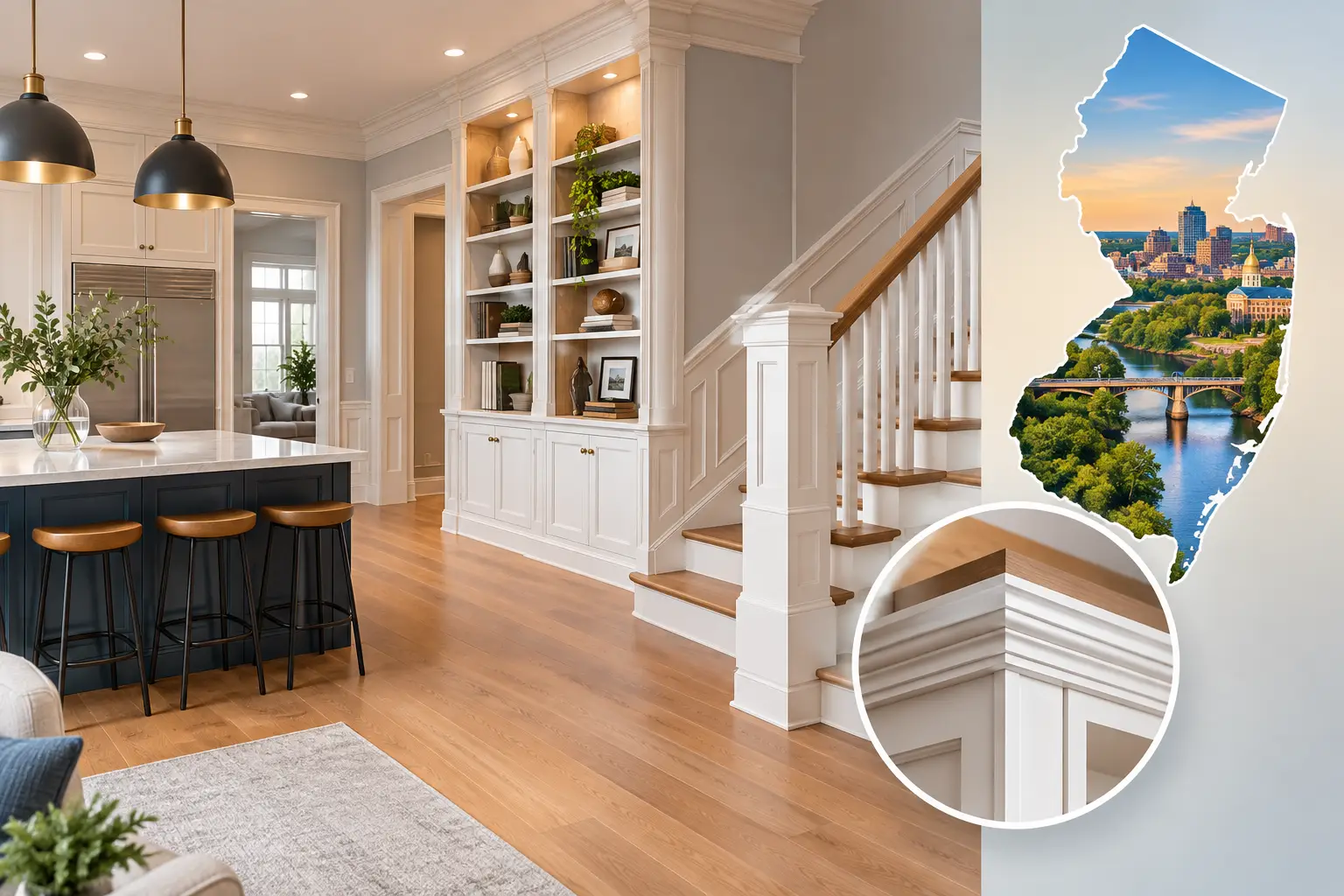
Architectural millwork includes the custom-crafted interior elements that define a room’s structure and character. It can include wall paneling, coffered ceilings, built-in bookcases, media walls, fireplace surrounds, window seats, custom cabinetry, decorative trim, and carefully proportioned molding.
Unlike an off-the-shelf furnishing, millwork is designed for a specific location. It accounts for wall dimensions, ceiling height, window placement, existing trim, and how the household uses the room. That tailored approach matters in homes with irregular walls, older construction, open floor plans, or a mix of original and renovated spaces.
The goal is not to add ornament for ornament’s sake. Well-planned millwork gives the eye a clear framework. It can make a tall room feel more balanced, give a plain wall a stronger presence, or turn an underused corner into storage that feels intentional rather than added on.
Architectural Millwork in Central New Jersey: Designed for the Existing Home
Central New Jersey homes rarely follow one architectural formula. A colonial home may call for traditional panel proportions and substantial crown molding, while a newer transitional home may benefit from clean-lined paneling and concealed storage. A contemporary interior may need flatter profiles, quieter reveals, and cabinetry that supports a more minimal finish.
The best design begins with what is already there. Existing doors, flooring, window casings, hardware, and ceiling heights all influence the right choice of profile, scale, material, and finish. Matching every detail exactly is not always necessary, especially in a renovation, but the new work should feel connected to the house rather than imported from a different style.
This is where customization becomes practical. A shallow living-room wall may not accommodate standard-depth cabinets, but it may be ideal for a tailored display cabinet or a low-profile media unit. A foyer with limited floor space may benefit from vertical paneling and a built-in bench instead of freestanding furniture. The right solution depends on dimensions, circulation, and the way the family actually lives in the space.
Millwork That Solves Everyday Problems
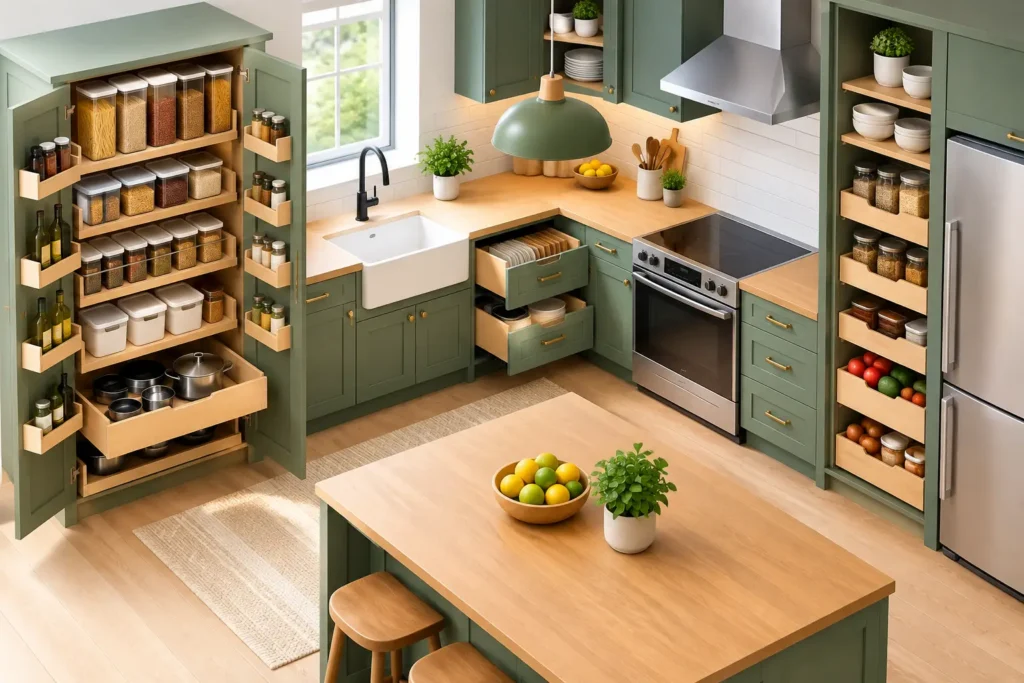
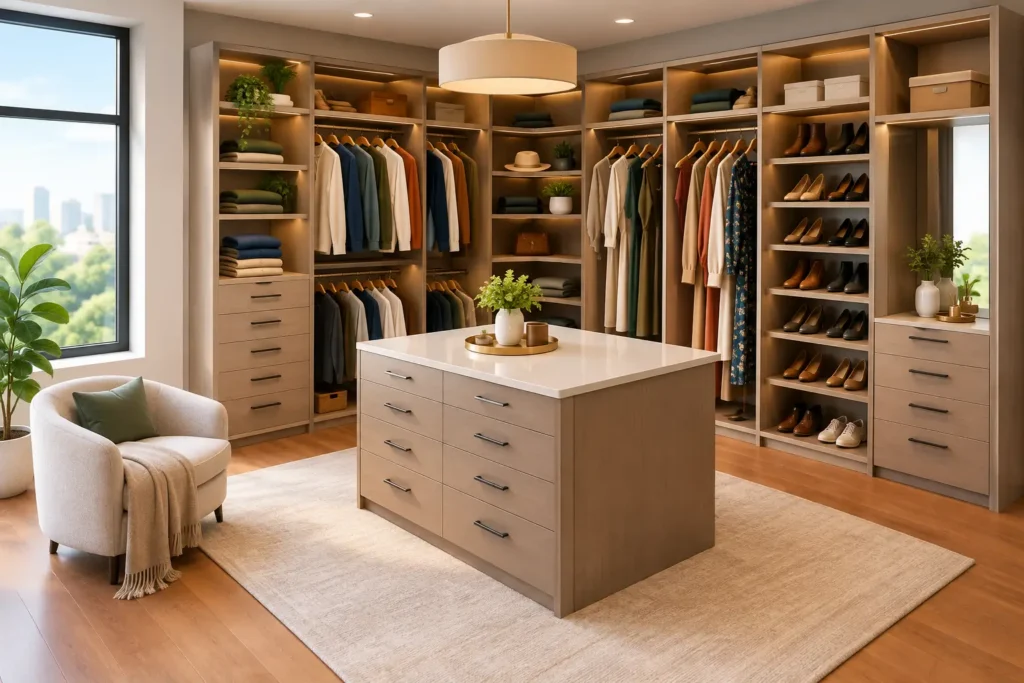
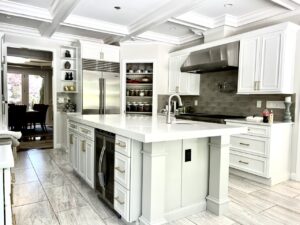
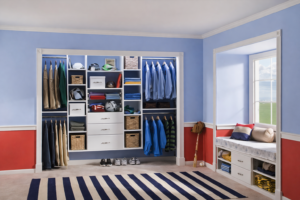
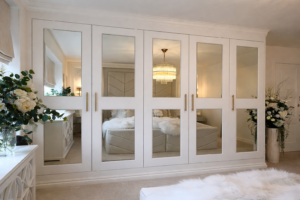
The most successful projects improve function as much as appearance. Built-ins can organize books, media components, toys, and seasonal items while reducing visual clutter. A custom closet can give each category of clothing, shoes, and accessories a dedicated place. Kitchen refinishing and cabinetry improvements can refresh the room homeowners use most without treating the project as a generic replacement.
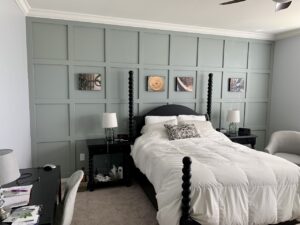
Decorative wall paneling also serves a practical purpose. In high-traffic areas, it can create a durable, easy-to-maintain surface while adding architectural depth. In dining rooms, home offices, and bedrooms, paneling can establish a focal point that makes the room feel finished without requiring a full renovation.
The strongest projects begin with honest priorities. Some homeowners need more storage first. Others want a formal living room to feel more substantial, or a primary bedroom to gain a calmer, more tailored presence. Clear priorities guide the design and prevent a project from becoming overly decorative, overly expensive, or disconnected from how the room will be used.
Precision Installation Is Part of the Design
Even excellent materials can look disappointing if the installation is not exact. Millwork is highly visible, which means small inconsistencies in spacing, alignment, scribing, or finish can affect the entire room. Clean lines rely on careful measuring, proper preparation, and an experienced understanding of how walls, floors, and ceilings behave in real homes.
Older homes may have uneven surfaces or corners that are not square. Newer homes can have their own challenges, including shifting drywall planes, mechanical components behind walls, and inconsistent framing. Skilled finish carpentry works with those conditions instead of ignoring them. Pieces are fitted, adjusted, and installed to create a finished result that appears natural and precise.
Finish quality deserves the same attention. Material selection, joint treatment, caulking, sanding, and paint preparation determine whether the work retains its refined appearance over time. Durable materials and careful finishing are particularly important in entryways, family rooms, kitchens, and other spaces that see frequent use.
Choosing the Right Scope for Your Project
Not every room needs extensive millwork. In some spaces, a well-proportioned crown molding, upgraded baseboards, and a simple feature wall can make a meaningful difference. In others, a full built-in composition is the better investment because it resolves storage, creates a focal point, and gives the room a permanent architectural identity.
Consider the room’s purpose, the home’s overall style, and the level of change you want to achieve. A formal dining room may benefit from raised or picture-frame panel molding that adds rhythm without reducing usable space. A family room may call for cabinetry around a fireplace or television, where organization and wire management are as important as visual balance. A mudroom or closet often delivers the greatest day-to-day return when it is designed around specific storage needs.
Budget should be considered early, but it should not be treated only as a question of square footage. The complexity of the design, materials, finish requirements, site conditions, and installation details all influence cost. A smaller project completed with quality materials and precise craftsmanship can provide more enduring value than a larger project built around compromises that remain visible every day.
Questions Worth Asking Before You Begin
Before committing to a design, think through what the room needs to do after the work is complete. Where will cords, equipment, and everyday items go? How will cabinet doors open within the available circulation space? Will the finish coordinate with adjacent rooms? Is the feature meant to stand out or quietly support the architecture?
It is also wise to consider longevity. Highly stylized details can be appealing, but they may not suit every home or remain appealing through future updates. Timeless millwork is not necessarily traditional. It is proportionate, well-made, and appropriate to the home’s architecture, with enough restraint to remain relevant as furnishings and paint colors change.
A Tailored Investment in Lasting Interior Character
Architectural millwork is visible every day, so it deserves more care than a quick cosmetic update. It should fit the room precisely, support how the household lives, and hold its finish through years of use. For homeowners, builders, and designers, the value lies in work that feels permanent rather than provisional.
With more than 25 years of hands-on experience, DoMolding approaches each project as a tailored piece of the home, not a standard installation. Thoughtful consultation, careful material selection, and precise finish carpentry create interiors that are more organized, more refined, and more enjoyable to live in.
The right millwork does not need to demand attention to make an impact. When its proportions are right, its lines are clean, and its function is built into the design, it simply makes the home feel complete.