A laundry room earns its keep every day, yet it is often designed as an afterthought. The best laundry room cabinetry changes that equation. It gives detergent, linens, cleaning supplies, and household essentials a proper place while bringing the same tailored finish and visual order expected in the rest of a well-appointed home.
For Central New Jersey homeowners, the right cabinetry is rarely about adding more boxes to the wall. It is about creating a durable, efficient room that supports real routines and feels consistent with the home’s architecture. A thoughtful design accounts for how the room is used, what must be stored, and how cabinetry will hold up to moisture, spills, and constant use.
What Makes the Best Laundry Room Cabinetry?
The best laundry room cabinetry is fitted to the room, not simply selected from a standard catalog. Laundry areas frequently have challenging dimensions, utility connections, low ceilings, windows, or awkward corners. Custom or carefully tailored cabinetry turns those limitations into useful storage rather than leaving them as wasted space.
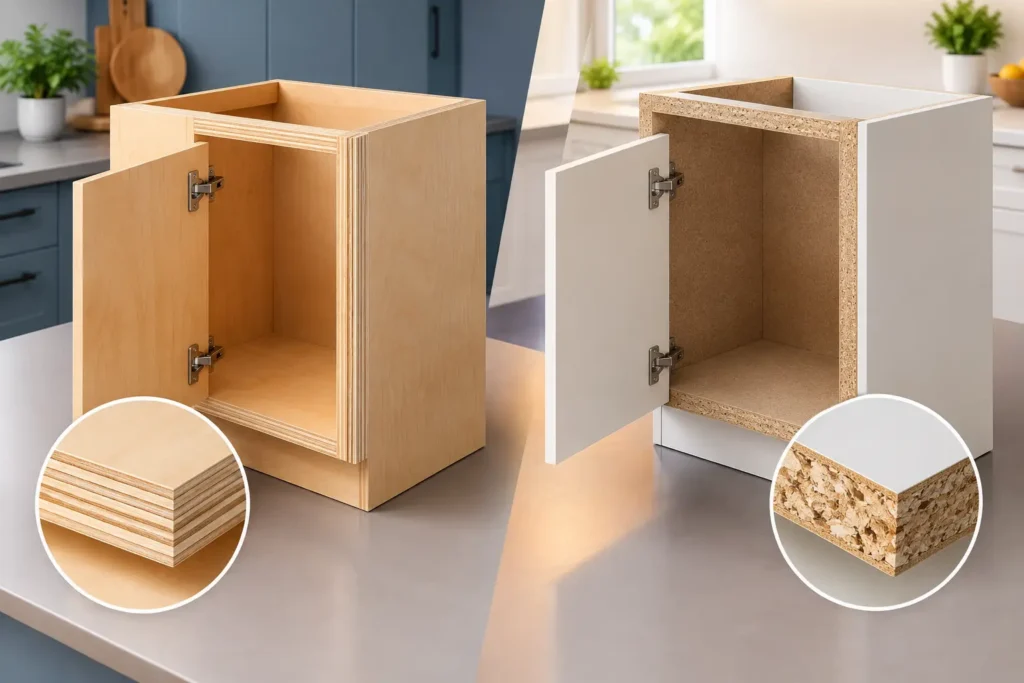
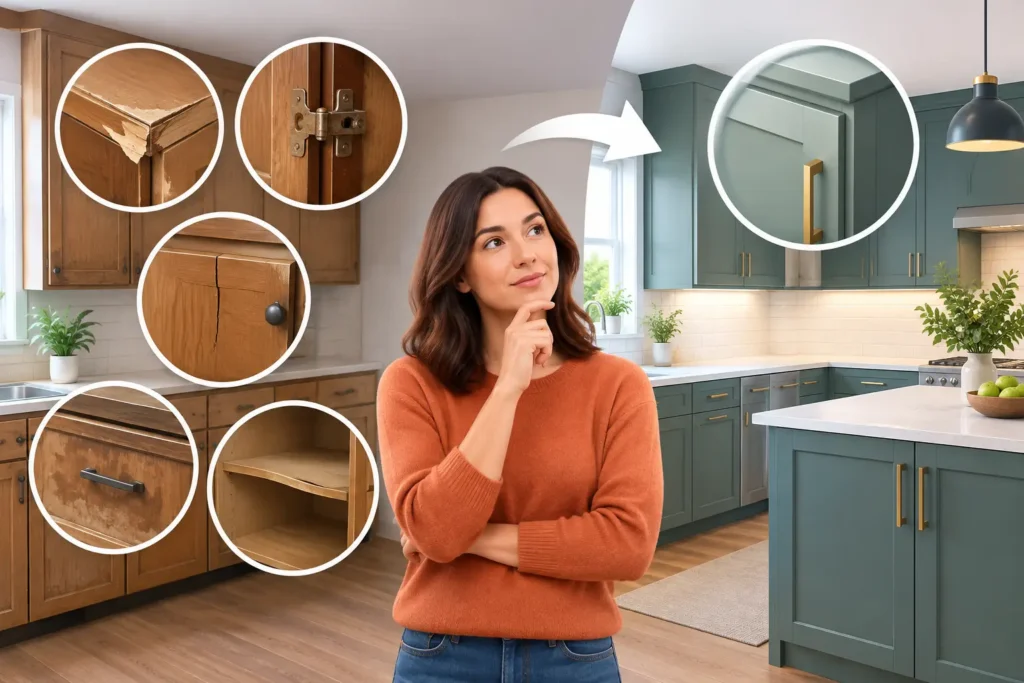
Durability matters just as much as appearance. This room handles damp towels, detergent drips, baskets, pet supplies, and the occasional leak or overflow. Cabinet boxes, doors, hardware, and finishes should be chosen for their ability to withstand daily wear while remaining easy to clean. A refined finish is only worthwhile when it continues to look composed after years of use.
Proportion is another defining detail. Cabinetry that is too deep can crowd a narrow room; cabinetry that is too shallow may not hold the items it was intended to organize. The most successful designs balance storage capacity with clear movement around the washer, dryer, and work surface.
Start With the Routine, Not the Cabinet Style
Before choosing door profiles or paint colors, consider how the room functions. Does the space serve one household member or a busy family? Is it also a mudroom, pet-care station, or secondary pantry? Are clean linens folded here, or carried elsewhere? These answers determine the cabinet layout far more effectively than a photo of a finished room.
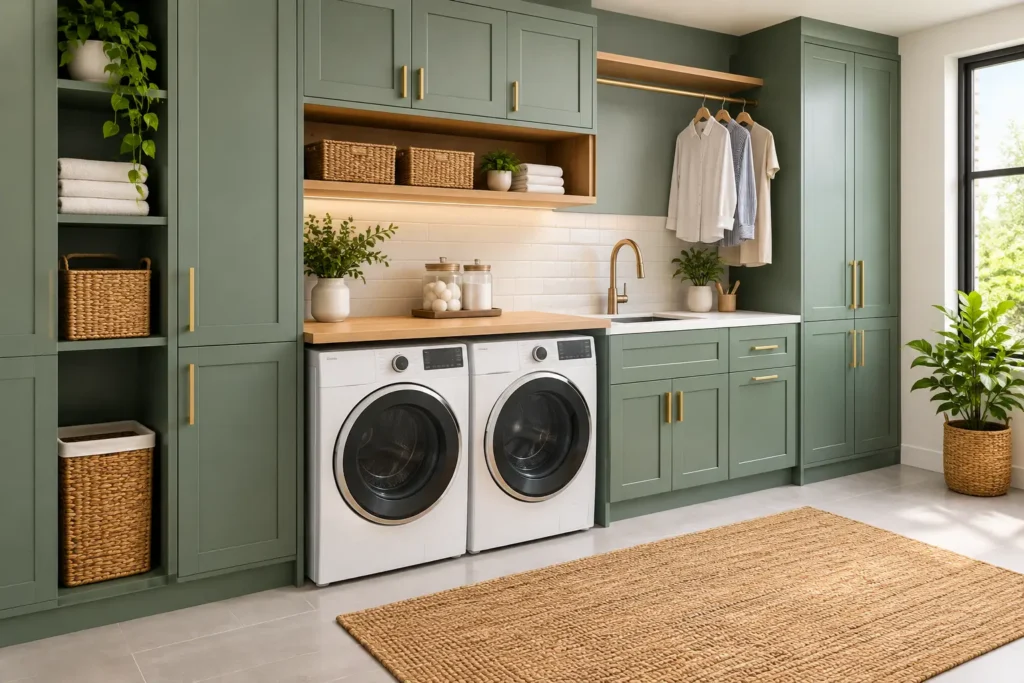
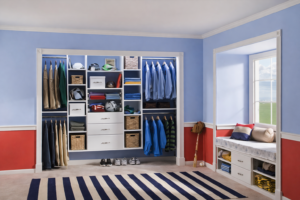
A household that folds laundry in place may benefit from a continuous counter above front-loading appliances and deep drawers below. A room used for sports gear and outdoor clothing may need tall lockers, closed storage, and a bench. In a compact laundry closet, upper cabinets and a slim pull-out organizer can provide more value than an elaborate built-in arrangement.
Cabinet Types That Create Better Storage
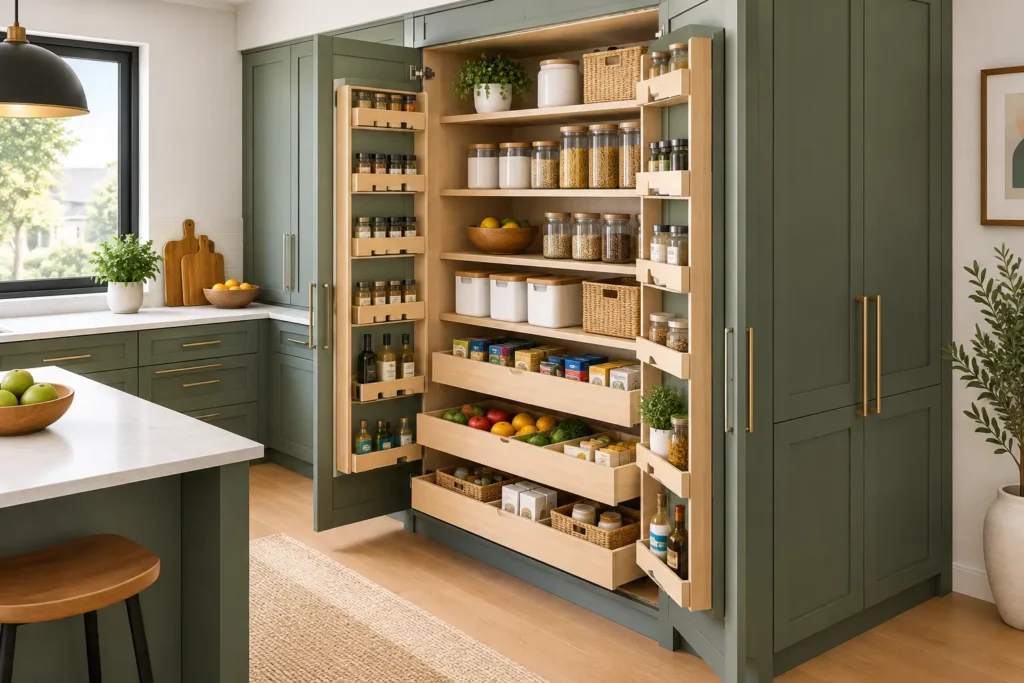
A complete laundry room does not require every available cabinet type. It needs a considered mix that supports the room’s specific tasks. Wall cabinets are often the foundation, keeping detergents and less attractive supplies behind closed doors while preserving open counter space below.
Base cabinets bring valuable concealed storage to larger rooms, particularly when paired with a countertop for sorting and folding. Drawers are especially useful for stain treatments, cloths, sewing supplies, and smaller items that become difficult to manage in deep lower cabinets. Full-extension drawer hardware makes contents accessible without having to reach into a dark cabinet interior.
Tall utility cabinets are ideal when the room has enough wall height and floor space. They can store brooms, mops, drying racks, an ironing board, or bulk paper goods in one clean vertical zone. A dedicated tall cabinet also prevents everyday tools from leaning in corners, where they make an otherwise polished room feel unfinished.
Open shelving has a place, but it should be used with restraint. It works well for neatly folded towels, attractive bins, or frequently used baskets. It is less successful when it becomes permanent display space for mismatched containers and cleaning products. Many homeowners find that a combination of closed cabinetry and one open shelf delivers warmth without sacrificing order.
Cabinetry Around Appliances Requires Precision
Appliance clearances should guide the design from the beginning. Washers and dryers need room for ventilation, water lines, drain connections, door swing, and future servicing. Cabinetry should frame the appliances thoughtfully without making them difficult to access or replace.
For front-loading machines, a durable countertop can create a broad folding surface and visually unify the room. It should be properly supported and finished to tolerate moisture. For top-loading washers, overhead cabinets must be positioned carefully so the lid can open fully. This is a small planning detail with a major effect on day-to-day usability.
If appliances are stacked, cabinetry can use the adjacent wall for storage while preserving required clearances. In some rooms, enclosing equipment behind doors may be appropriate, particularly when the laundry area is visible from a hallway or kitchen. That choice depends on ventilation requirements, available depth, and how often the appliances are used. A clean appliance surround can be more practical than doors in a high-use family laundry room.
Materials and Finishes Built for Daily Use
Laundry room cabinetry should feel connected to the home, but it does not need to duplicate the kitchen exactly. A timeless painted finish, natural wood tone, or simple slab door can all work beautifully when selected in proportion to the home’s existing interior details.
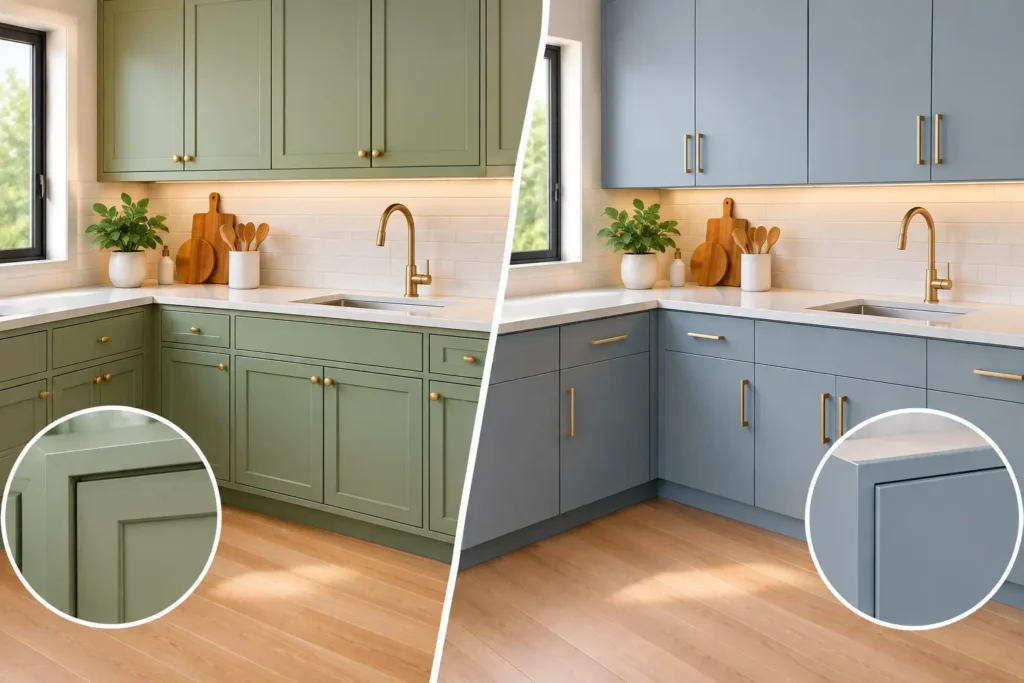
Painted cabinetry offers flexibility and a tailored appearance, especially in soft whites, warm neutrals, muted greens, or deep blue-gray tones. The quality of the coating and the preparation beneath it matter. A durable finish with careful edge treatment will perform better than a quick cosmetic application in a moisture-prone room.
Wood cabinetry introduces warmth and can be an excellent choice for homes with existing wood trim, floors, or built-ins. The species, stain, and protective topcoat should be selected with the room’s humidity and light exposure in mind. Laminate and other engineered surfaces can also be practical options when durability, consistency, and easy maintenance are priorities.
Hardware deserves equal attention. Pulls and knobs should be comfortable to use with one hand and substantial enough for repeated opening and closing. Soft-close hinges and drawer slides add quiet, controlled function, but their real value is long-term reliability. These are the components homeowners touch every day.
Design Details That Make the Room Feel Finished
Cabinetry becomes part of the home’s architecture when it is integrated with the surrounding details. Crown molding, finished end panels, toe kicks, and thoughtful transitions at walls give built-ins a deliberate, permanent appearance. Leaving exposed gaps, unfinished cabinet sides, or improvised fillers can undermine even high-quality cabinets.
A backsplash behind a folding counter protects the wall and creates a polished visual break. Decorative paneling, tile, or a simple painted wall treatment can all work, depending on the room’s style. Good lighting is equally valuable. Under-cabinet lighting improves visibility for sorting and stain treatment, while ceiling fixtures should provide even, practical illumination.
Color also affects how the room feels. Light cabinetry can make a compact laundry room feel more open, while darker lower cabinets or a wood accent can add depth to a larger space. The goal is not to chase a passing trend. It is to choose materials and details that will still feel appropriate as the rest of the home evolves.
When Custom Cabinetry Is Worth the Investment
Custom laundry room cabinetry is particularly valuable when the room has unusual dimensions, multiple functions, or a prominent location within the home. It allows the storage plan, cabinet depths, appliance surround, and finish details to be resolved as one composition rather than assembled from compromises.
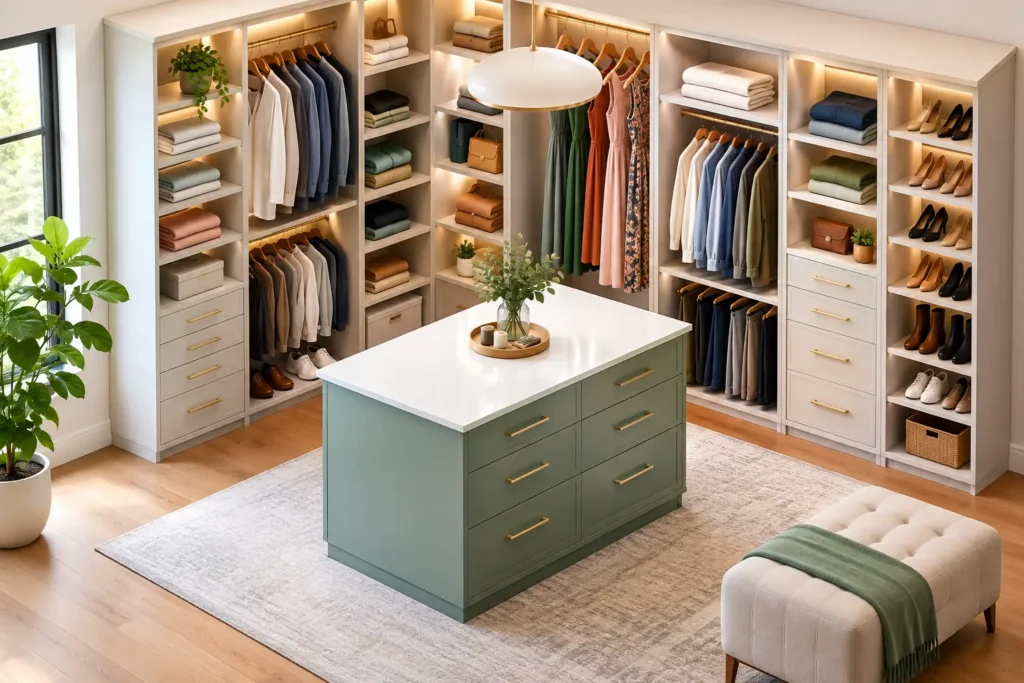
It is also worthwhile when homeowners want continuity with a renovated kitchen, mudroom, closet, or adjacent living space. Matching proportions, profiles, and finishes creates a more cohesive interior, even when each room serves a different purpose. For builders and designers, a dependable cabinetry and finish-carpentry partner helps protect that continuity through precise installation and clean final detailing.
At DoMolding, each cabinetry project is approached with attention to layout, material performance, and the details that make built-ins feel truly integrated. With more than 25 years of hands-on experience, the focus remains on durable workmanship and tailored solutions that support how a home is actually lived in.
The right laundry room cabinetry should make the room quieter, clearer, and easier to maintain. When every essential has a place and every finish is thoughtfully resolved, even a hardworking utility space becomes a lasting part of a refined home.