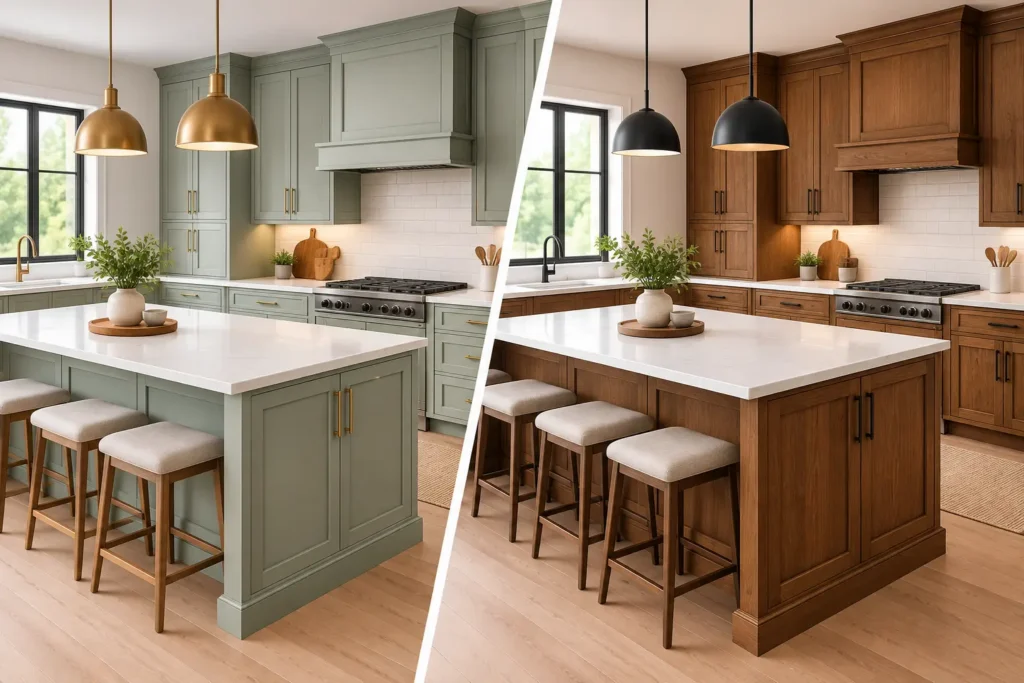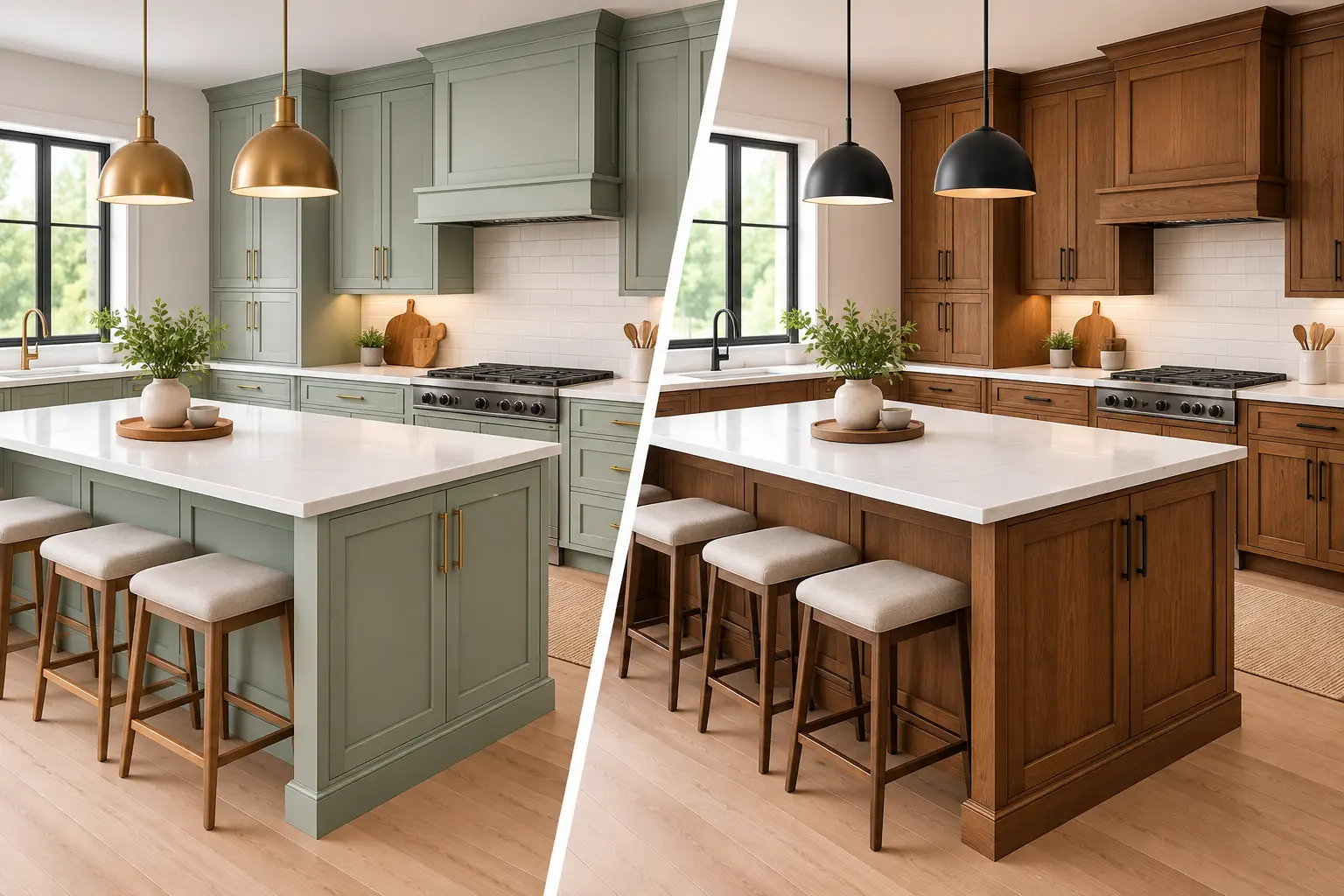
A cabinet door can look entirely different depending on one decision: whether the finish covers the wood or lets it remain visible. Painted versus stained cabinetry is not simply a color preference. It affects how a kitchen relates to the rest of the home, how easily finishes can be maintained, and whether the finished space feels crisp and tailored or naturally warm and textural.
For Central New Jersey homeowners investing in a kitchen refresh or custom cabinetry, the best choice usually begins with the architecture already in place. A carefully selected finish should support the home’s character, daily use, natural light, flooring, trim, and long-term design goals.
Painted Versus Stained Cabinetry at a Glance
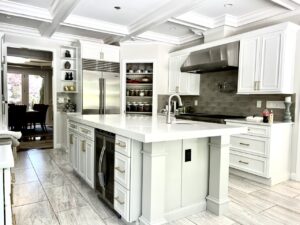
Painted cabinetry creates a more uniform, tailored appearance. The finish conceals much of the wood grain, allowing color, door profile, and hardware to take the visual lead. It works especially well in transitional, traditional, contemporary, and refined cottage-inspired kitchens where clean lines and a cohesive palette matter.
Stained cabinetry allows the character of the wood to remain part of the design. Grain patterns, mineral variation, and the natural depth of the species stay visible beneath the finish. The result can feel grounded, warm, and architectural, particularly when paired with wood floors, exposed beams, stone, or detailed trim.
Neither option is universally better. The right decision depends on the cabinetry construction, the selected wood species, the condition of existing cabinet boxes and doors, and the level of contrast or softness the room needs.
When Painted Cabinetry Is the Stronger Choice
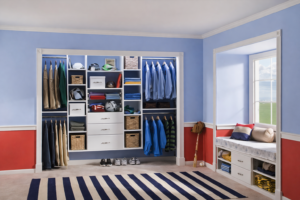
Paint is often chosen for its design flexibility. It opens a broad range of colors, from quiet warm whites and soft greiges to deep navy, charcoal, or saturated green. This makes it easier to coordinate cabinetry with countertops, backsplash tile, wall color, and adjacent millwork without relying on the natural undertones of a particular wood species.
A painted finish is also a practical option when an existing kitchen has sound cabinet construction but a dated wood tone. Rather than replacing well-built cabinetry, professional refinishing can give the room a more current and polished direction while preserving the layout and storage that already work for the household.
Painted cabinetry can make a compact or lower-light kitchen feel more open. Lighter colors reflect more light and create visual continuity across banks of cabinets. In a larger kitchen, a darker painted island or perimeter cabinet color can establish definition without adding visual clutter.
There are trade-offs. Paint does not eliminate wood movement. Seasonal changes in temperature and humidity can cause subtle expansion and contraction, particularly at joints and detailed profiles. Over time, fine hairline lines may appear at seams. This is not necessarily a failure of craftsmanship or finish – it is a natural characteristic of wood cabinetry.
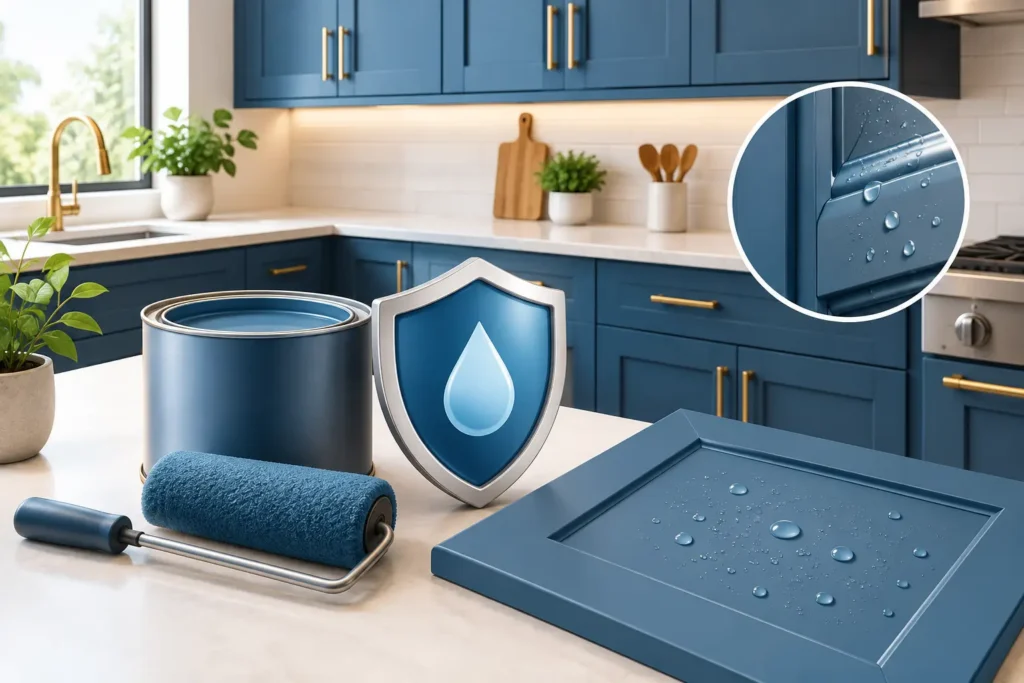
The quality of preparation makes a substantial difference. Careful cleaning, sanding, priming, finish selection, and controlled application determine whether painted cabinets look smooth and durable or begin to show wear prematurely. A refined finish should feel intentional from the broad face of a door to the inside edge of a drawer front.
Best settings for painted finishes
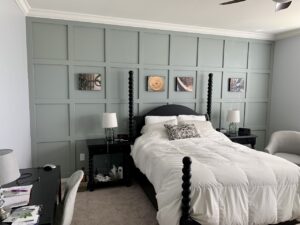
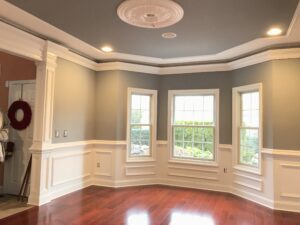
Painted cabinetry is often well suited to homes with painted trim, paneled walls, crown molding, and other architectural details that benefit from a unified appearance. It can also be the right choice for homeowners who want cabinetry to recede slightly so a statement stone, range hood, or decorative lighting can take center stage.
For a timeless result, consider colors with balanced undertones rather than chasing a short-lived trend. A warm white may suit a home with creamy stone and oak flooring, while a muted green or blue-gray can bring depth to an island without overpowering the room.
When Stained Cabinetry Brings More Value
Stained cabinetry is at its best when the wood itself deserves to be seen. White oak, walnut, maple, cherry, and alder each accept stain differently, with their own grain pattern, porosity, and natural color variation. The species should be selected as carefully as the stain color, because a sample on one wood will not look the same on another.
White oak remains a popular choice for its distinctive grain and restrained warmth. Walnut brings deeper contrast and richness. Maple offers a smoother, more subtle grain, while cherry develops greater depth over time. A clear coat or lightly tinted stain can protect the wood while preserving those qualities.
Stained cabinets often bring visual warmth to open-concept homes, especially where kitchens flow into family rooms with hardwood flooring or built-in shelving. They can also soften a room with substantial stone, metal, or painted wall surfaces. In the right setting, wood cabinetry gives the interior a sense of permanence that does not depend on a particular color trend.
Stain has practical advantages as well. Small nicks and scratches may be less obvious when the finish follows the visual movement of the grain. Touch-up work can sometimes blend more naturally than it does on a smooth painted surface, although success still depends on the stain system, age of the finish, and exposure to sunlight.
Stained cabinetry is not automatically low-maintenance. Dark stains can show dust, fingerprints, and scratches, while very light stains can be difficult to keep visually consistent across doors and panels. Wood also changes subtly with age and sunlight. That evolution can be appealing, but homeowners should expect a natural material to develop character rather than remain perfectly static.
Best settings for stained finishes
A stained finish is particularly effective when the home has wood beams, detailed oak flooring, warm natural stone, or custom millwork that should feel connected rather than separate. It also suits homeowners who appreciate material variation and want cabinetry with depth that cannot be replicated by a flat color alone.
The key is restraint. An overly dark or heavily red-toned stain can date a space quickly, especially when paired with busy granite or ornate door profiles. A more natural stain, selected from samples viewed in the actual room, is often the more enduring choice.
Durability Depends on More Than the Finish
Painted and stained cabinetry can both perform well for many years when the cabinet construction, preparation, materials, and installation are handled with precision. Finish durability is not determined by color alone.
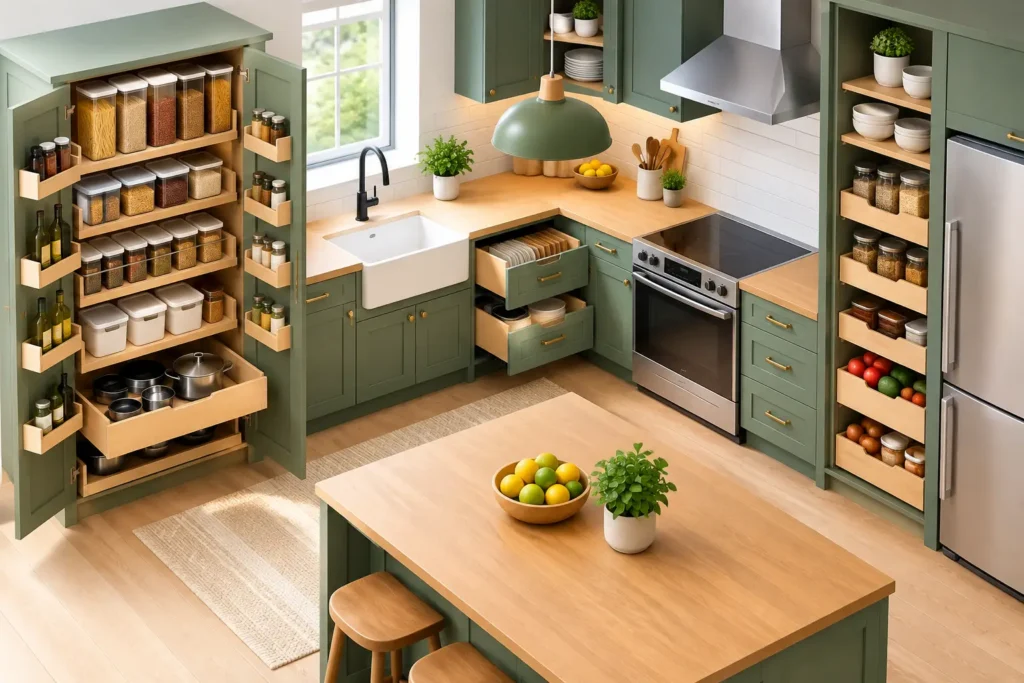
High-use areas deserve special attention. Cabinet doors near the sink, dishwasher, range, trash pullout, and frequently used drawers are exposed to moisture, grease, impact, and repeated cleaning. Quality coatings, proper curing time, and accurate door alignment all help protect those surfaces from premature wear.
For existing cabinets, the condition of the substrate matters. Solid wood doors, quality veneer panels, and well-constructed cabinet boxes may be excellent candidates for refinishing. Damaged particleboard, failing veneer, water-swollen boxes, or loose hardware may require more extensive repair or replacement before a new finish can deliver lasting results.
Hardware also influences how the finish ages. Well-installed pulls and knobs reduce direct handling of door faces. Soft-close hinges and drawer slides help prevent repeated impact at contact points. These details may seem minor, but they contribute to the quiet, durable performance homeowners expect from tailored cabinetry.
Consider the Whole Room, Not Just the Door Sample
A small finish sample can be misleading. Cabinet color and stain shift with daylight, under-cabinet lighting, ceiling height, surrounding paint, countertop veining, and the direction a room faces. A gray paint that looks calm in a showroom may appear cool and blue in a north-facing kitchen. A natural oak stain may turn orange beside a warm existing floor.
Before making a final selection, review larger samples near the countertops, backsplash, flooring, and trim. Look at them in morning light, evening light, and under the fixtures that will remain in the room. If the kitchen opens to other living spaces, carry the comparison beyond the kitchen threshold. The most refined results feel considered from one room to the next.
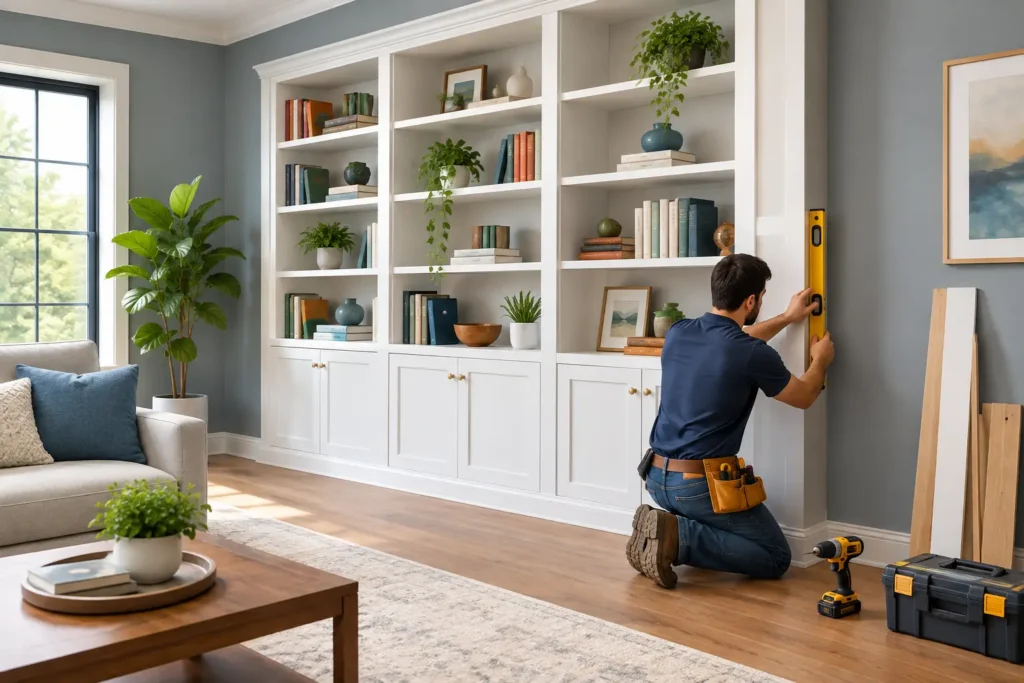
It is also worth deciding where contrast belongs. Painted perimeter cabinets with a stained island can create depth without making the room feel fragmented. Stained cabinetry paired with painted built-ins may distinguish functional zones while keeping the materials connected through matching hardware, countertop tones, or trim details.
A Timeless Choice Is Usually a Personal One
The question is not whether painted or stained cabinetry is more fashionable this year. It is whether the finish supports how the home should feel after the project is complete. Paint offers controlled color and a crisp, tailored expression. Stain celebrates the natural variation and warmth of wood.
At DoMolding, the most successful cabinetry projects begin by studying the room as a whole: its proportions, existing architecture, storage needs, light, and the details that deserve to be carried forward. Bring a few material samples, photographs of adjoining spaces, and an honest description of how your kitchen is used to the conversation. That groundwork makes it far easier to choose a finish that will still feel right years from now.