A pantry should not be the place where groceries disappear behind oversized cereal boxes and half-used bags of flour. When storage is poorly planned, even a beautiful kitchen can feel crowded, inconvenient, and unfinished. Knowing how to design pantry cabinetry begins with a close look at how your household shops, cooks, entertains, and uses the kitchen every day.
A tailored pantry cabinet system gives frequently used items a deliberate home while preserving the clean, refined appearance of the surrounding kitchen. The right design is not simply about adding more shelves. It is about making every inch accessible, durable, and appropriate for the architecture of the room.
Start With the Pantry’s Daily Purpose
Before choosing cabinet doors, finishes, or hardware, define what the pantry needs to hold. A family that buys bulk paper goods needs a different configuration than a household that cooks from scratch, entertains often, or relies on small appliances throughout the week.
Take inventory of dry goods, serving pieces, cookware, beverages, pet supplies, and countertop appliances that would benefit from concealed storage. This process reveals whether the pantry should function primarily as food storage, an appliance garage, a baking center, or a combination of several roles.
It also helps to separate everyday items from occasional items. Cereal, snacks, coffee, and lunch supplies should be easy to reach. Holiday platters, extra glassware, and specialty ingredients can live higher up or deeper within the cabinetry. Designing around actual use prevents the common mistake of creating attractive cabinets that do not make daily routines easier.
How to Design Pantry Cabinetry Around Zones
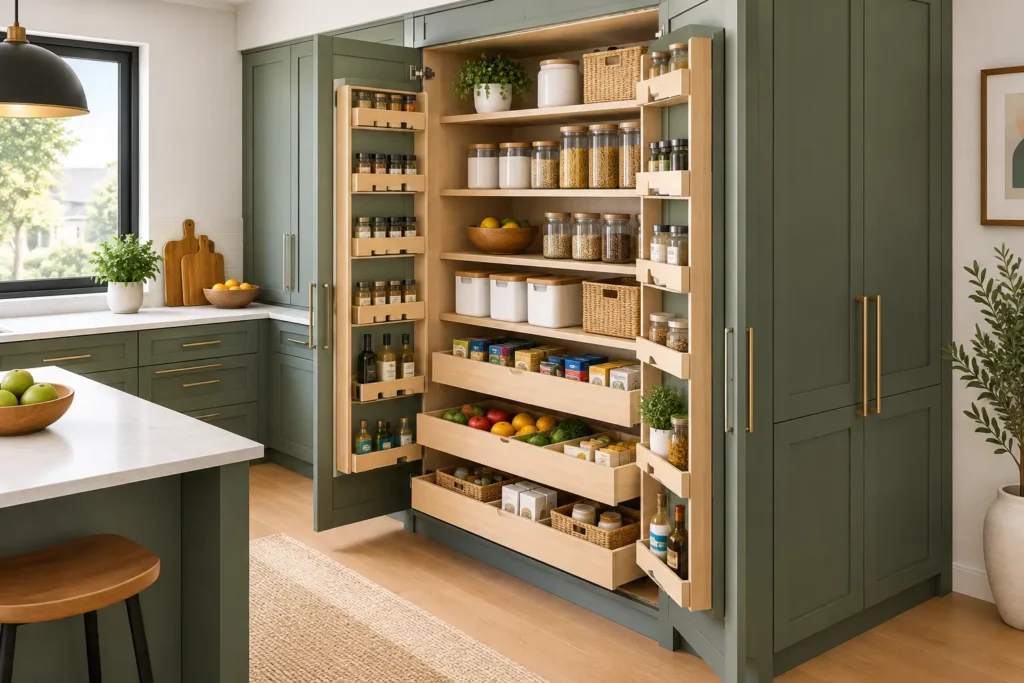
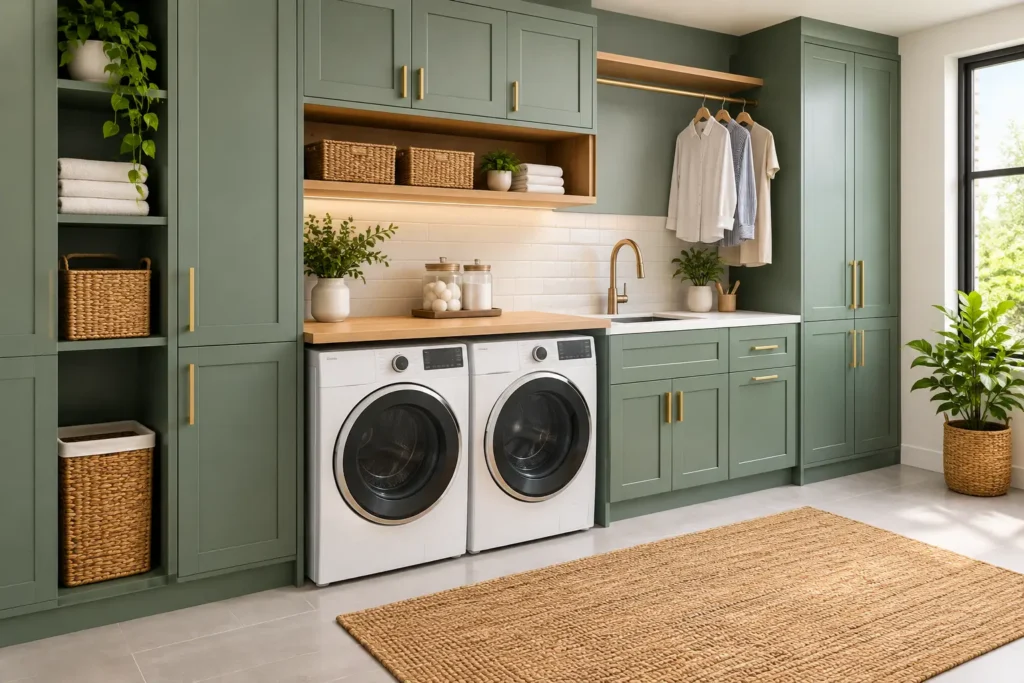
The most functional pantry cabinetry is organized in clear zones. Rather than filling a tall cabinet with identical shelves, assign space according to the size, weight, and frequency of use of what belongs there.
A well-planned pantry often includes these four zones:
- Eye-level storage for everyday food, snacks, spices, and frequently used ingredients.
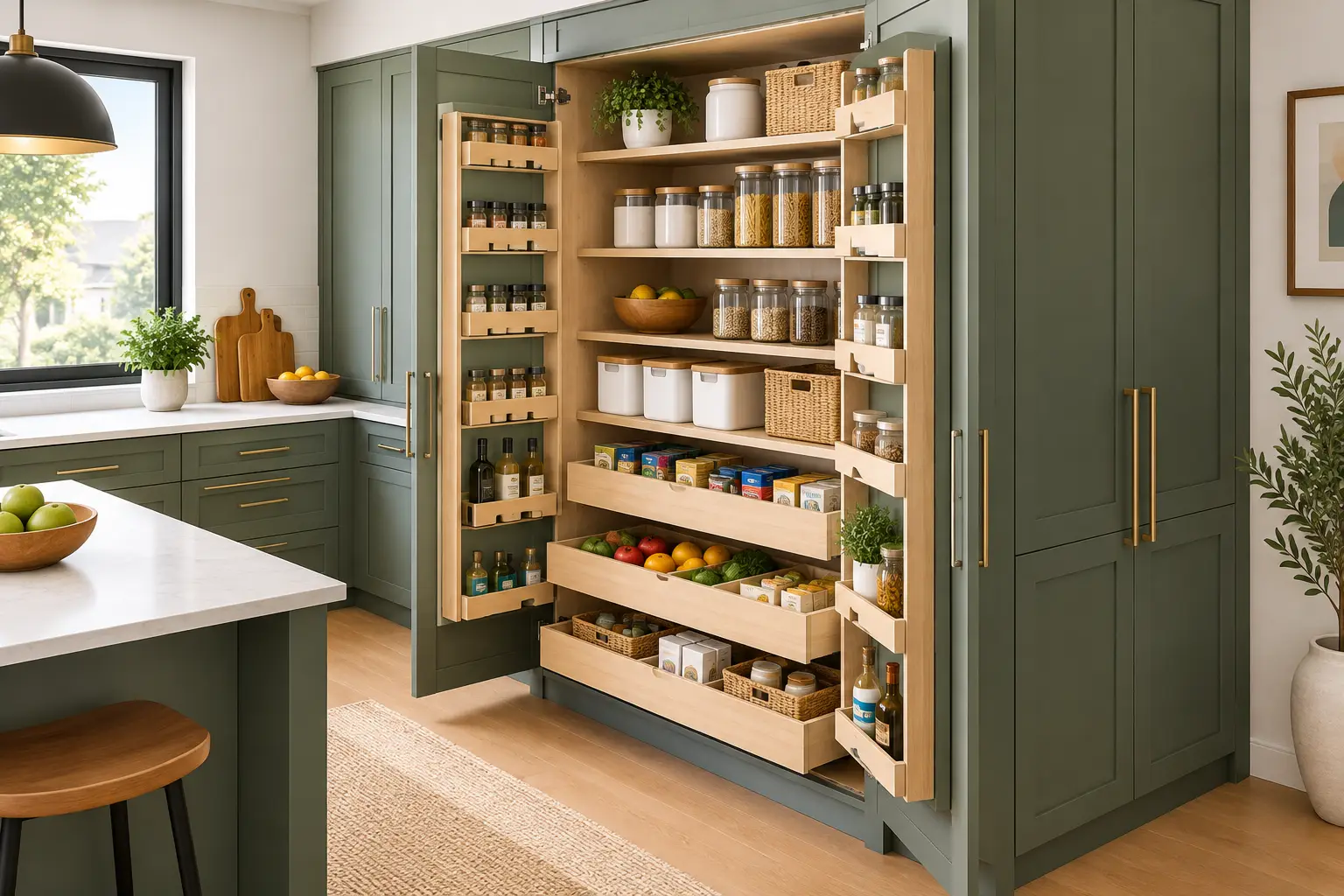
- Lower pullouts or deep drawers for heavier items such as canned goods, bottled drinks, potatoes, and small appliances.
- Upper cabinets or higher shelves for backup supplies, seasonal pieces, and less frequently used serving items.
- A dedicated work zone for baking tools, coffee equipment, or appliances that need nearby outlets and counter space.
Pullout shelves are especially valuable in deep pantry cabinets. They bring contents forward, so items at the back remain visible and usable. Fixed shelves can work well for shallow storage or lighter goods, but a deep cabinet with only fixed shelving often becomes inefficient over time.
The best balance depends on the available footprint. In a narrow pantry, shallow shelves along one or both walls may provide better visibility than deep cabinetry. In a larger walk-in pantry, a mix of open shelving, closed cabinets, drawers, and a countertop can create a more complete storage and prep area.
Plan Dimensions for Access, Not Just Capacity
More depth is not always better. A pantry cabinet that is too deep can create a dark, cluttered space where food is forgotten. For many dry goods, shallower shelves keep labels visible and make it easier to maintain order. Deeper storage is more useful for appliances, large containers, and bulk purchases when paired with pullouts or well-designed drawers.
Shelf spacing matters just as much. Tall cereal boxes, oils, and countertop appliances need more vertical clearance than canned goods or spice jars. Adjustable shelving offers flexibility, particularly for homeowners whose storage needs may change. Still, a fully adjustable system should be thoughtfully planned from the beginning, with a few fixed elements for strength and visual consistency.
Door swing is another detail that deserves attention. Tall pantry doors can be elegant and efficient, but their swing must not interfere with kitchen traffic, nearby drawers, or an island. In some layouts, pocket doors, bi-fold doors, or a combination of drawers and shorter upper doors can provide better access. The right choice depends on the room’s circulation and the cabinet width, not just appearance.
Choose Materials and Construction Built for Daily Use
Pantry cabinetry works hard. Shelves carry substantial weight, drawers open repeatedly, and food storage is exposed to spills, moisture, and changing temperatures. Materials and construction should reflect that reality.
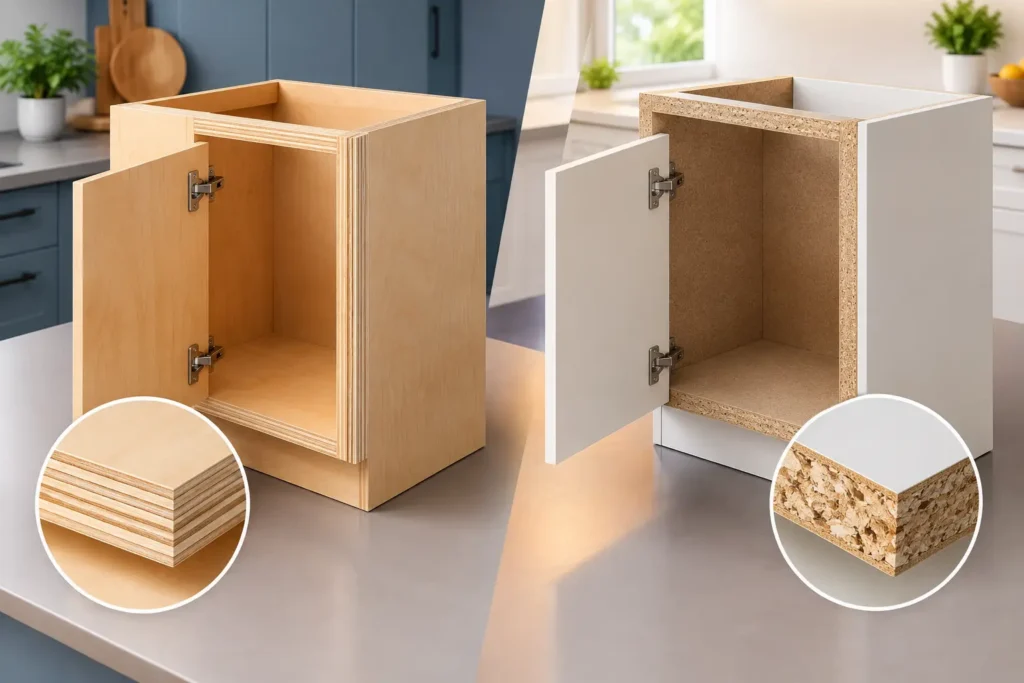
Quality cabinet boxes, properly supported shelves, dependable drawer hardware, and durable finishes all affect how the pantry performs years after installation. A thin shelf may look acceptable when empty, but it can sag when loaded with canned goods and small appliances. Likewise, lower-cost drawer slides can become a daily frustration in a space meant to improve convenience.
For a refined, timeless result, pantry cabinetry should also coordinate with the kitchen without becoming overly matched. Some homes benefit from matching door styles and finishes for a cohesive appearance. Others may call for a painted pantry in a complementary color, natural wood interiors, or a slightly different cabinet profile that gives the space its own character while respecting the home’s existing architecture.
Durability should guide finish selection as well. Painted cabinetry can feel crisp and tailored, while stained wood brings warmth and depth. Either can be built to last when the preparation, materials, and installation are handled with precision.
Include Details That Reduce Visual Clutter
A pantry becomes easier to maintain when the design naturally supports organization. Interior drawers can hide smaller packages and baking tools. Vertical dividers can organize trays, cutting boards, and sheet pans. A shallow drawer near a coffee station can hold filters, pods, tea, and utensils without crowding the counter.
Lighting is equally practical. Interior cabinet lighting or carefully placed pantry lighting makes labels easier to read and gives the space a finished feel. If the pantry includes a work surface, task lighting and conveniently placed outlets should be considered early, before cabinetry is fabricated and installed.
Do not overlook ventilation where appliances are stored. A cabinet intended for a toaster, microwave, or coffee machine may need clearance, heat management, and electrical planning. Keeping every appliance behind closed doors is appealing, but it only works when the cabinetry is designed for safe, comfortable use.
Let the Pantry Support the Kitchen’s Architecture
Pantry cabinetry is visible architecture, even when its contents are concealed. Door proportions, trim details, hardware placement, and alignment with adjacent cabinets all influence whether the finished room feels intentional.
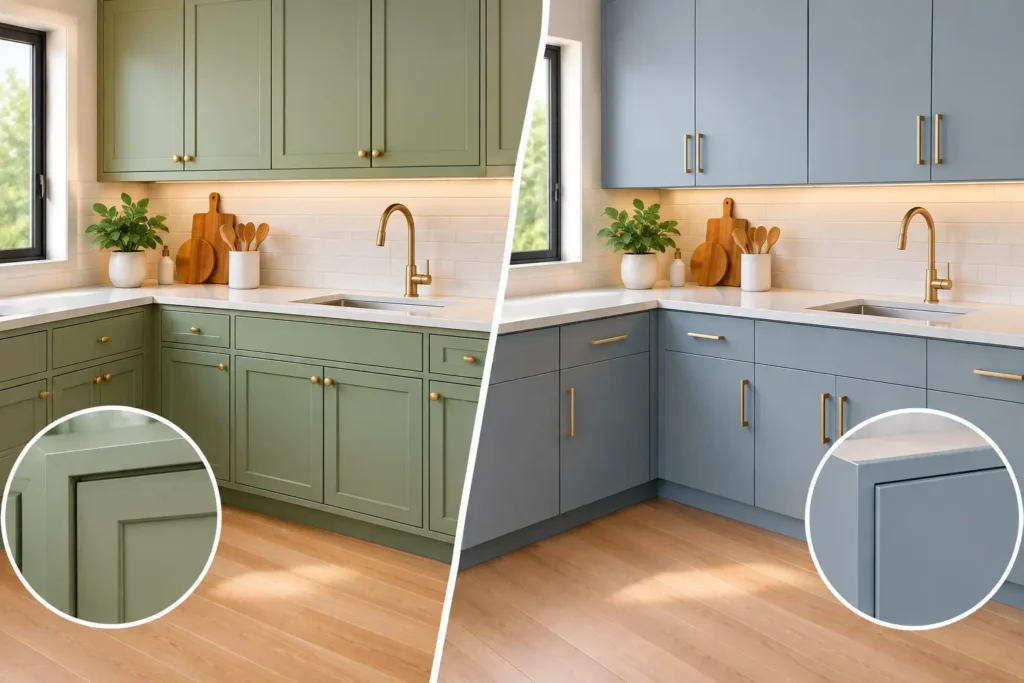
In a traditional home, pantry cabinetry may include inset doors, refined molding, and furniture-like proportions. A more contemporary kitchen may call for clean slab fronts, restrained hardware, and flush reveals. Neither approach is inherently better. The appropriate style is the one that creates continuity with the kitchen, nearby millwork, and the home’s broader interior character.
This is where custom work has a meaningful advantage. Standard cabinet sizes can leave awkward fillers, inconsistent reveals, or unusable gaps around walls and appliances. Tailored cabinetry can respond to uneven walls, ceiling heights, existing trim, and the exact dimensions of the items you need to store. Careful installation turns those details into a clean, built-in result rather than an afterthought.
Design for Change Without Designing for Everything
A pantry should have enough flexibility to adapt, but it does not need to anticipate every possible future use. Overloading the design with specialty inserts can reduce usable storage and add unnecessary cost. A practical approach combines a few purpose-built features with adaptable shelves and drawers.
For example, a baking drawer, tray dividers, and pullout shelves may provide lasting value for an active kitchen. On the other hand, highly specific organizers may not make sense if your household’s habits are likely to change. The goal is a tailored system that feels personal, not a collection of features that compete for space.
For Central New Jersey homeowners investing in a kitchen that will serve them for years, pantry cabinetry deserves the same thoughtful planning as the rest of the room. When it is designed around real routines, constructed from durable materials, and installed with care, it brings order to the kitchen without sacrificing the refined, timeless character that makes a home feel complete.
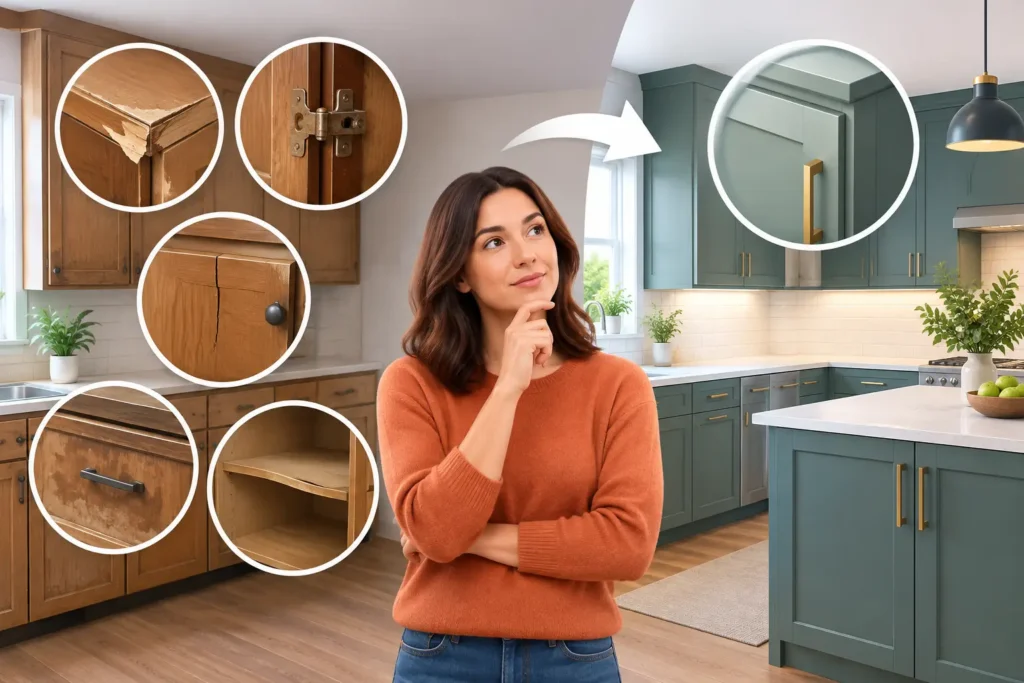
A careful consultation can turn an underused corner, a crowded cabinet wall, or a dated pantry into storage that works quietly and beautifully every day.