A cabinet door that needs a firm lift before it will close is more than a small kitchen annoyance. So is a drawer that drops off its track, a sink base that feels soft, or a layout that forces everyday items onto already crowded counters. When should cabinets be replaced? The right answer depends on what is happening beneath the finish, how well the cabinetry serves your household, and whether a repair would truly deliver a lasting result.
For many Central New Jersey homeowners, cabinetry is one of the most visible and hardworking elements of the home. It shapes how a kitchen functions, how a closet stays organized, and how refined a room feels. A careful evaluation can reveal whether your existing cabinets are good candidates for refinishing or whether replacement is the better long-term investment.
When Should Cabinets Be Replaced Rather Than Refinished?
Replacement becomes the stronger choice when the cabinet boxes, joinery, or internal structure have deteriorated. Refinishing can transform sound cabinetry with dated color, worn finishes, or minor cosmetic damage. It cannot correct serious water damage, failing construction, poor proportions, or a layout that no longer supports the way you live.
The distinction matters because attractive new doors and paint can temporarily disguise deeper problems. If the foundation is compromised, the result may look refreshed for a short period while drawers continue to bind, doors fall out of alignment, and moisture-related damage progresses. Cabinets should be evaluated as working built-ins, not simply as surfaces to update.
1. Water Damage Has Reached the Cabinet Boxes
The area around a kitchen sink, dishwasher, refrigerator water line, or bathroom vanity is especially vulnerable. Swelling along the bottom edge of a cabinet, peeling laminate, soft particleboard, dark staining, or a musty smell can all indicate moisture has entered the material.
A small, isolated leak caught early may allow for a targeted repair. But when cabinet sides or bases have swollen, separated, or lost their rigidity, replacement is often more durable than attempting to patch the damage. The source of the moisture must be corrected first. New cabinetry deserves a dry, stable environment and careful installation that protects its longevity.
2. Doors and Drawers No Longer Operate Reliably
One loose hinge is usually a straightforward repair. A room full of sagging doors, cracked hinge mounting points, sticking drawers, and broken glides suggests a broader issue. Hardware can be upgraded, but it needs a sound cabinet box to support it.
Repeated adjustments are also a practical signal. If doors will not stay aligned after they are tightened, the screws may no longer have solid material to grip. If drawers scrape, rack sideways, or pull free under normal weight, the cabinet construction may be nearing the end of its useful life. Quality replacement cabinetry provides a more dependable foundation for soft-close hardware, full-extension drawers, and everyday use.
3. The Cabinet Construction Is Failing
Open a few cabinets and look beyond the door style. Check the corners, shelves, back panels, and interior joints. Splits in the sides, separating seams, sagging fixed shelves, loose toe kicks, and thin or damaged backs are signs that cabinetry may no longer be structurally dependable.
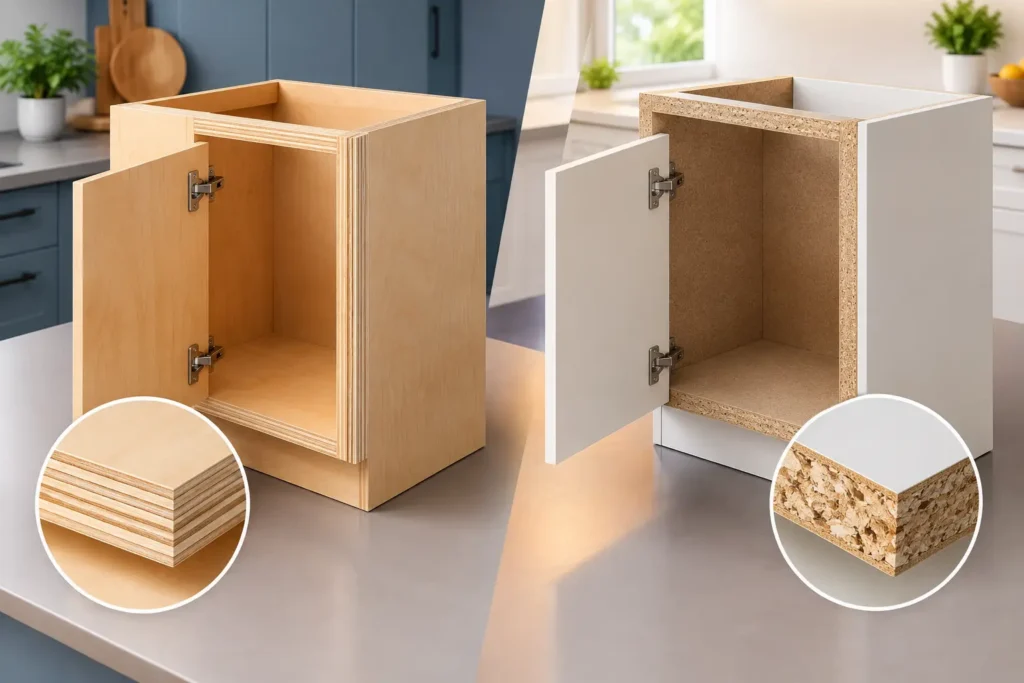
Older cabinets are not automatically poor quality. Many were built with durable materials and can be preserved beautifully. The concern is not age alone, but condition and construction. Cabinets made with weak particleboard, minimal fasteners, or deteriorating glued joints may not justify an extensive cosmetic update. Replacing them allows the room to be rebuilt around stronger materials, precise fit, and storage designed for current needs.
4. The Layout Creates Daily Friction
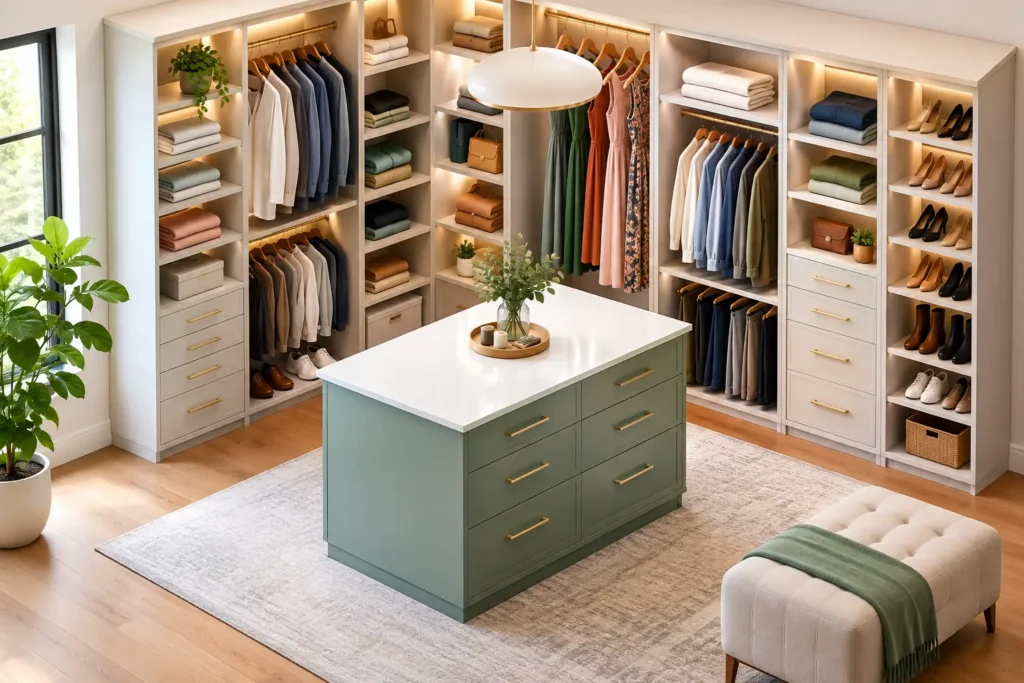
A cabinet can be structurally sound and still be wrong for the room. Kitchens often reveal this through crowded prep areas, blind corners, shallow drawers, inaccessible pantry shelves, and too little space for cookware or small appliances. In closets, the problem may be a lack of hanging space, shelves that do not fit folded items, or storage that leaves everything visible and disorganized.
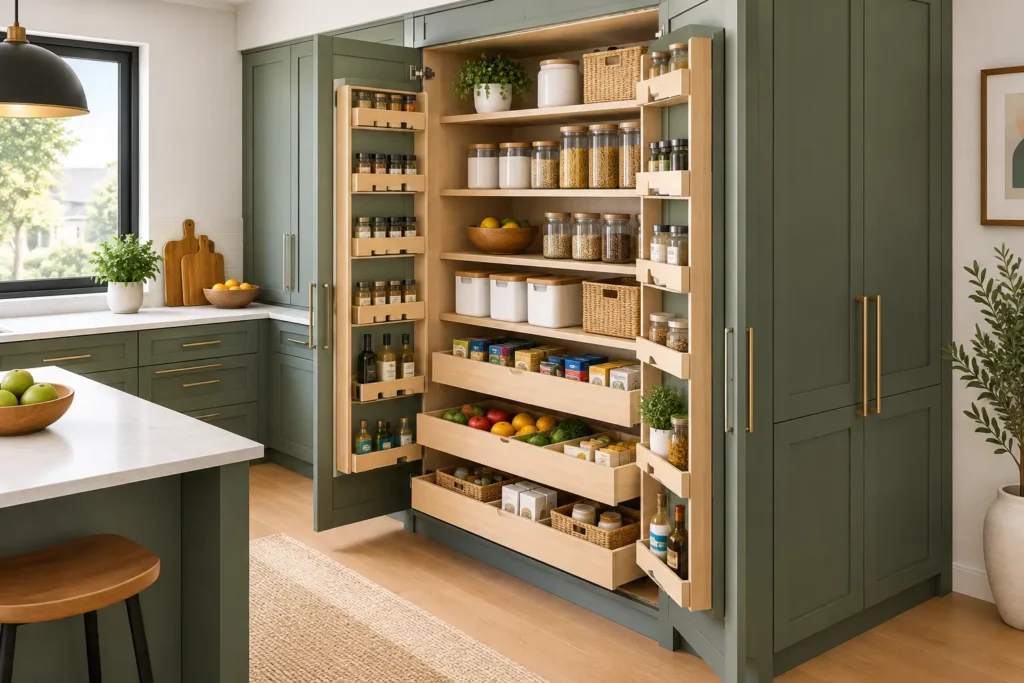
If the issue is limited to one area, a tailored storage addition may resolve it. When the entire layout works against daily routines, replacement creates an opportunity to improve the room at its core. Deeper drawers, dedicated pullouts, better corner solutions, properly sized pantry storage, and cabinetry fitted to the architecture can make the space feel calmer and more efficient without relying on temporary organizers.
5. Cabinet Dimensions Do Not Suit Your Appliances or Renovation Plans
New appliances can expose the limitations of older cabinetry. A larger refrigerator may interrupt traffic flow. A new range may leave awkward gaps. Modern dishwashers, ventilation systems, and under-cabinet lighting may require modifications that are difficult to execute cleanly within an outdated cabinet configuration.
This does not mean cabinets must be replaced whenever an appliance changes. Thoughtful modifications can work when the cabinetry is well built and the design remains cohesive. However, if several units need to be cut down, filled, or reworked, a planned replacement may produce a more refined result. Custom cabinetry can be designed around exact appliance specifications, ceiling heights, window placement, and the natural proportions of the room.
6. The Style Cannot Be Updated Without Compromise
Finish changes can be remarkably effective. Solid-wood doors with a straightforward profile may take paint or refinishing well, especially when the cabinet layout is functional and the boxes are in excellent condition.
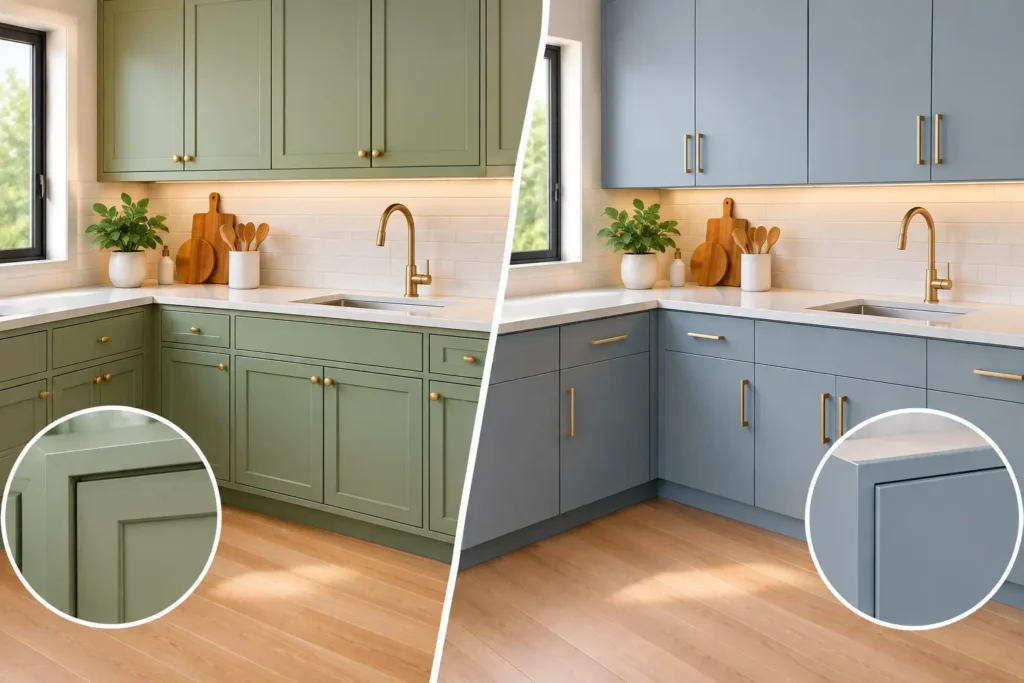
Some styles, however, resist a timeless update. Heavy decorative details, unevenly sized cabinets, poorly fitted fillers, and dated proportions can leave a room feeling unresolved even after new paint and hardware. Replacement offers greater design control, from door profile and finish to the alignment of reveals, crown details, panels, and integrated storage. The goal is not to chase a short-lived trend. It is to create cabinetry that belongs to the home and continues to feel considered over time.
7. Repairs Are Becoming a Pattern, Not an Exception
Consider the cost and inconvenience of the last few years. Have you replaced drawer slides, repaired water-damaged bases, adjusted doors repeatedly, and added shelves or organizers to compensate for missing storage? Individual repairs may be sensible, but a growing list of repairs is often a sign that the system no longer performs as it should.
Replacement requires a larger initial investment, so it should be approached carefully. Yet it can be the more economical decision when ongoing fixes only delay a necessary project. A consultation-led plan helps distinguish between a cabinet worth preserving and one that will continue to demand attention.
8. You Want a More Cohesive, Permanent Interior
Cabinets influence more than storage. Their scale, finish, and detailing affect the entire character of a kitchen, laundry room, mudroom, office, or closet. In homes with architectural trim, paneled walls, or carefully finished millwork, generic or deteriorated cabinets can interrupt the visual continuity of the space.
Replacing cabinetry allows functional storage to become part of the interior architecture. Materials, profiles, hardware, and trim can be selected to complement the home rather than compete with it. This is particularly valuable in renovations where clean lines, balanced proportions, and precise installation are central to the finished result.
What to Assess Before Replacing Cabinets
Before making a decision, inspect the interiors as carefully as the visible faces. Look under the sink, test every drawer, open doors fully, and examine shelf support. Take note of where clutter accumulates and where movement through the room feels constrained. These observations often clarify whether the problem is cosmetic, structural, or organizational.
It is also worth considering the condition of adjacent finishes. New cabinets may affect flooring, backsplash, countertops, wall repairs, lighting, and trim. Planning these elements together supports cleaner transitions and avoids the piecemeal look that can occur when improvements are made without regard for the complete room.
A tailored plan should account for the home’s existing character, the household’s routines, and the level of durability expected from the investment. For a compact kitchen, that may mean maximizing every inch with disciplined storage planning. For a larger home, it may mean creating cabinetry that brings proportion, order, and refined detail to an expansive space.
Replacement Is an Opportunity to Build for How You Live
Cabinets should be replaced when their structure, function, or design no longer supports a durable and well-composed interior. The decision is not always about visible wear. Often, it is about choosing a solution that removes daily frustrations and gives the room the tailored permanence it deserves.
With more than 25 years of hands-on experience, DoMolding approaches cabinetry as a lasting part of the home, with precise installation, durable materials, and details designed to hold up beautifully. A thoughtful assessment now can lead to storage and craftsmanship that serve your household well for years to come.