A dated kitchen does not always need a full cabinet replacement. The decision between cabinet refacing versus refinishing comes down to what is truly worth preserving: the cabinet boxes, the layout, the door style, and the finish itself. When the existing kitchen is sound, the right improvement can create a more refined, tailored result while avoiding unnecessary demolition.
For Central New Jersey homeowners, this choice is rarely just about changing color. Kitchens are visible, hardworking spaces, and the cabinetry sets the tone for the entire room. A careful evaluation of construction, function, and architectural style helps determine whether refinishing can restore what is already there or whether refacing offers the more lasting transformation.
What Cabinet Refinishing Changes
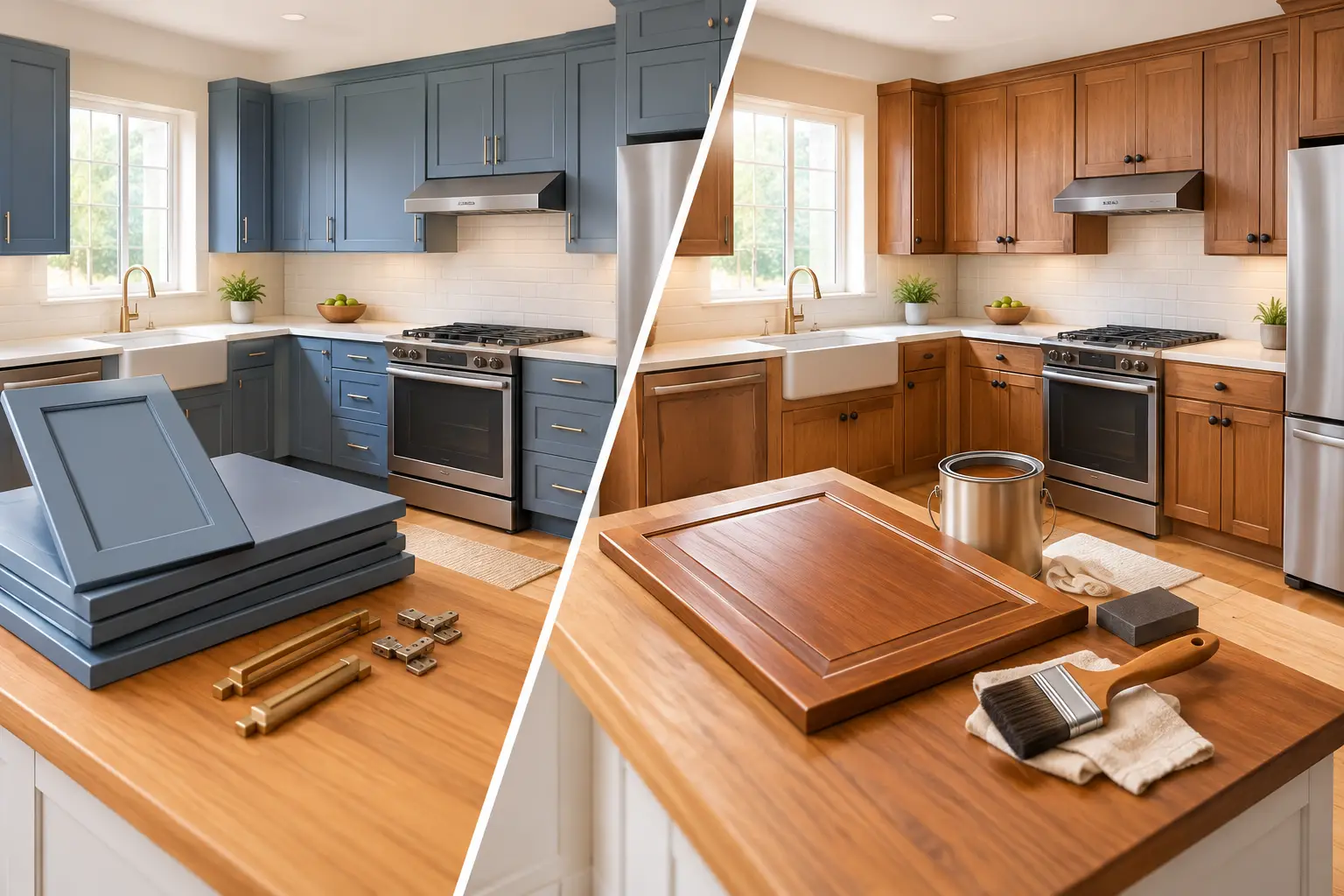
Cabinet refinishing updates the visible finish on the existing doors, drawer fronts, and cabinet boxes. Depending on the material and condition of the cabinetry, the process may include cleaning, repairs, sanding or surface preparation, priming, and applying a durable new paint or stain finish.
It is often the right approach when the cabinet doors are well made, the layout functions properly, and the homeowner likes the existing door profile. A traditional raised-panel kitchen, for example, may look dramatically more current in a carefully selected painted finish without losing the character that suits the home.
Refinishing retains the original components. That makes the quality of those components especially important. Solid wood doors and stable cabinet boxes tend to be strong candidates, provided they have not suffered from prolonged moisture exposure, delamination, warping, or structural damage.
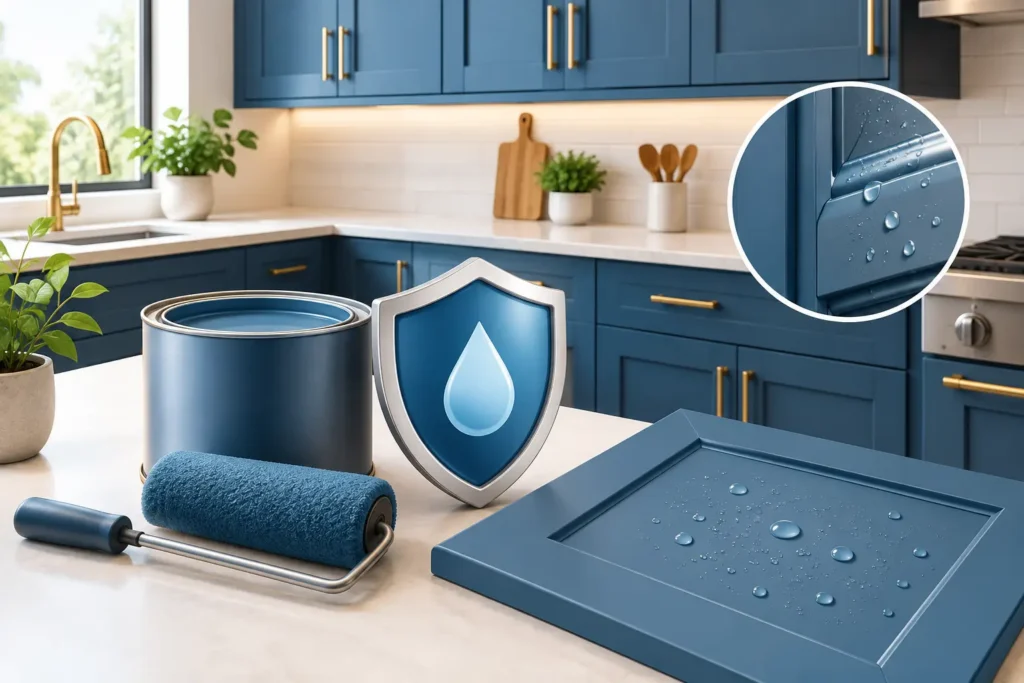
A professional refinishing project is not simply a matter of applying a new coat of paint. Kitchen surfaces are exposed to oils, steam, cleaning products, fingerprints, and repeated use. Proper preparation and a durable finish system determine whether the result remains clean and consistent over time or begins to chip and wear prematurely.
When Refinishing Is the Better Investment
Refinishing makes sense when the kitchen needs visual renewal rather than a change in construction. It can be especially effective for homeowners who want to brighten a dark kitchen, update an outdated stain color, or establish a calmer palette that works with new counters, lighting, or wall finishes.
It also preserves design details that are worth keeping. In older homes throughout Princeton, Holmdel, and surrounding communities, existing cabinetry may have proportions or woodwork that fit the home more naturally than a standard replacement cabinet. A refined finish can bring those details forward instead of covering them with a generic renovation.
There are limits, however. Refinishing will not change a dated door profile, correct poorly proportioned cabinet fronts, add storage, or make an inefficient layout more functional. It improves the surface, not the underlying design.
What Cabinet Refacing Changes
Cabinet refacing retains the existing cabinet boxes but replaces the doors and drawer fronts. The exposed face frames and exterior surfaces of the cabinet boxes receive a coordinating new material or finish, creating a consistent appearance throughout the kitchen.
This option offers a more substantial visual change than refinishing without requiring a complete cabinet tear-out. Homeowners can select a new door style, alter the overall aesthetic, and often incorporate upgraded hardware. A kitchen with traditional oak raised-panel doors can become more tailored and transitional with clean Shaker-style fronts, for instance.
Refacing is only as good as the cabinet boxes beneath it. Before moving forward, those boxes should be inspected for stability, water damage, sagging shelves, loose joints, and secure attachment to the wall. Refacing a compromised cabinet structure may improve the appearance temporarily, but it does not create the lasting foundation a quality kitchen deserves.
What Refacing Can and Cannot Solve
Refacing is a strong middle ground when the cabinet layout works but the style does not. It can provide a more current, cohesive design and make the kitchen feel intentionally updated rather than cosmetically refreshed.
It does not, by itself, reconfigure the kitchen. If the room lacks a pantry, has undersized drawers, wastes corner space, or needs a better relationship between appliances and work areas, the project may call for selective custom cabinetry or a broader redesign. In many homes, the best answer is not strictly refacing or replacement, but a tailored combination that preserves sound elements while improving the areas that limit daily use.
Cabinet Refacing Versus Refinishing: The Key Differences
The most meaningful difference between cabinet refacing versus refinishing is the degree of design change. Refinishing works with the cabinet fronts you already own. Refacing replaces those fronts, allowing for a new profile, material expression, and visual direction.
Cost follows that difference. Refinishing is generally less expensive because it keeps the existing doors and drawer fronts. Refacing typically requires a greater investment in new components and installation, but it also provides a more visible change. Neither option should be evaluated on price alone. A lower initial cost has little value if the chosen method does not address the reason the kitchen feels dated or inconvenient.
Timeline and disruption also vary. Both options are generally less invasive than full cabinet replacement, but refacing involves fitting and installing new components, while refinishing requires meticulous on-site protection, preparation, and curing conditions. The practical schedule depends on the size of the kitchen, the condition of the cabinetry, and the scope of related work.
Durability depends less on the label of the service and more on material quality and execution. Well-prepared cabinet surfaces with a professional-grade finish can serve a kitchen beautifully for years. Properly fitted refaced doors and carefully finished box surfaces can do the same. Shortcuts in preparation, alignment, material selection, or installation are what compromise the final result.
Start With the Cabinet Boxes, Not the Color
Homeowners often begin with inspiration images: a softer white, a natural wood tone, slim pulls, or a cleaner door style. Those preferences matter, but the first question should be whether the existing cabinet construction deserves to remain.
Open the doors and drawers. Look for loose hinges, swollen particleboard, peeling veneer, water staining below sinks, worn drawer boxes, and cabinets that are no longer level or securely fastened. Check whether shelves sag under everyday weight and whether doors close evenly. These details reveal whether the project should focus on a finish update, a new exterior, targeted repairs, or replacement.
The layout deserves the same scrutiny. If you consistently lack landing space near the range, struggle to access cookware, or store pantry items in several unrelated places, a beautiful new finish alone may not improve how the room lives. Kitchens should support daily routines as well as the home’s visual character.
Choosing a Finish and Style That Will Last
A timeless kitchen does not require avoiding color or personality. It requires choices that relate thoughtfully to the home and remain appealing beyond a short-lived trend. Warm whites, muted painted tones, natural wood finishes, and restrained hardware often provide flexibility as furnishings and accents evolve.
Door style should be considered in the context of the entire interior. A crisp Shaker door can suit many homes, but it is not automatically the right answer for every kitchen. Flat-panel doors may complement a more contemporary interior, while a carefully proportioned traditional profile can be appropriate in a home with detailed trim, paneling, or classic millwork.
Hardware, crown details, end panels, and filler proportions also influence whether cabinetry feels custom or merely updated. These are not minor finishing touches. They create the clean lines, balanced reveals, and deliberate transitions that distinguish refined interior craftsmanship.
When Full Replacement May Be More Appropriate
There are situations where refacing and refinishing are not the responsible recommendation. Cabinets with extensive water damage, weak construction, major layout flaws, or inadequate storage may be better replaced. The same is true when a renovation requires relocating plumbing, changing appliance positions, or opening walls.
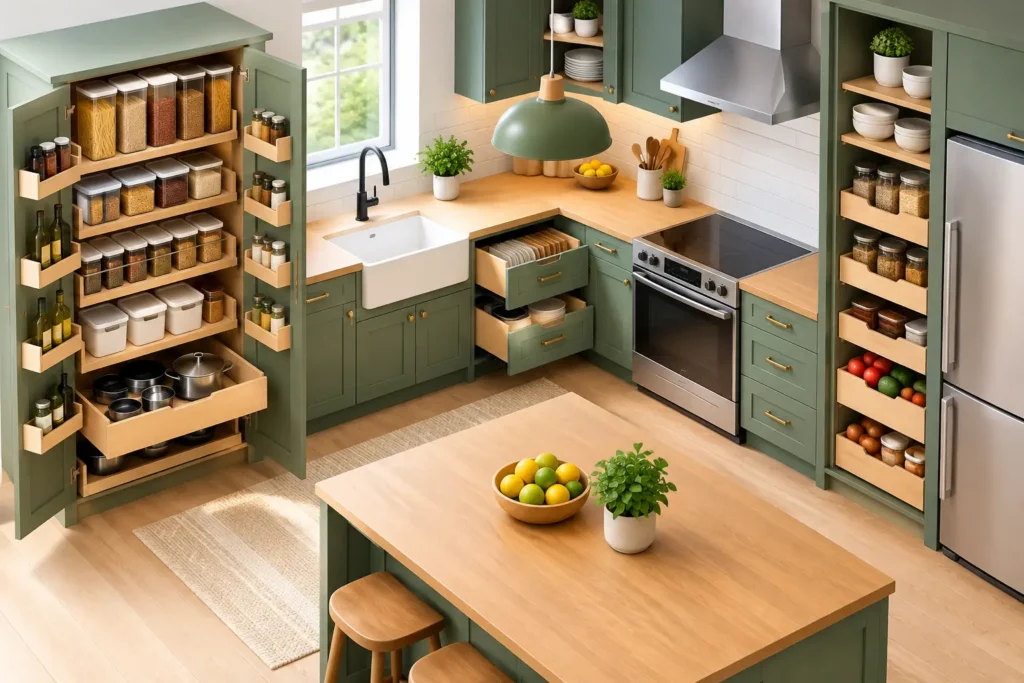
Full replacement also creates the greatest opportunity to tailor storage. Deep drawers, pull-out organizers, integrated pantry solutions, and cabinetry built around unusual room dimensions can substantially improve daily function. For a kitchen that needs both a new appearance and a new way of working, custom cabinetry may offer the better long-term value.
The goal is not to replace sound cabinetry simply because it is old, nor to preserve cabinetry that no longer serves the home. It is to invest where the improvement will be visible, useful, and built to last.
A thoughtful consultation brings clarity before finishes and door samples take over the conversation. By assessing the cabinet structure, layout, surrounding millwork, and the way your household uses the kitchen, you can choose an update that feels appropriate to the home – and satisfying every day you live with it.