A productive office rarely feels productive when paperwork is stacked on the floor, cords are visible beneath the desk, and everyday supplies have no permanent place. Thoughtful home office storage changes that experience. It creates a workspace that supports concentration while giving the room the same refined, intentional appearance as the rest of the home.
For homeowners investing in a dedicated office, a flexible study, or a work area within a larger room, the goal is not simply to add more cabinets. The best storage is tailored to the way the space is used, the architecture already in place, and the level of visual calm the room needs to provide. Built with precision and finished to complement the home, custom cabinetry can turn an overlooked work area into a durable, organized part of daily life.
What Good Home Office Storage Must Solve
A home office often carries more responsibility than its footprint suggests. It may function as a workplace during the day, a homework station in the afternoon, and a place to manage household records after hours. When storage is planned around only one of those needs, clutter usually returns quickly.
The first consideration is what needs to remain accessible. Reference binders, files, technology, printer paper, chargers, and office supplies should be easy to reach without taking over the desk surface. Less frequently used materials, such as tax records or archival documents, can be placed in higher cabinets or deeper storage. This simple distinction helps determine where drawers, closed cabinets, open shelves, and vertical filing should be located.
Visual balance matters just as much. An office filled entirely with open shelving can feel busy, even when every item is technically organized. Closed cabinetry conceals the practical necessities that do not contribute to the room’s appearance. Open shelves, used selectively, create space for books, framed art, or a few personal objects that make the office feel established rather than purely utilitarian.
The right balance depends on the household. A client-facing office may call for a more polished wall of closed storage, while a family study may benefit from a combination of accessible cubbies, drawers, and display shelving. A tailored design makes room for both function and character without relying on temporary bins or mismatched furniture.
Planning Custom Home Office Storage Around the Room
Before selecting finishes or hardware, look closely at the room itself. Window placement, door swings, ceiling height, baseboard details, and existing trim all influence what can be built and where. A storage wall that looks proportionate on a plan may feel heavy if it blocks natural light or crowds a narrow walkway. Careful field measurement and experienced installation are what allow custom millwork to feel like it has always belonged in the home.
Use vertical space with purpose
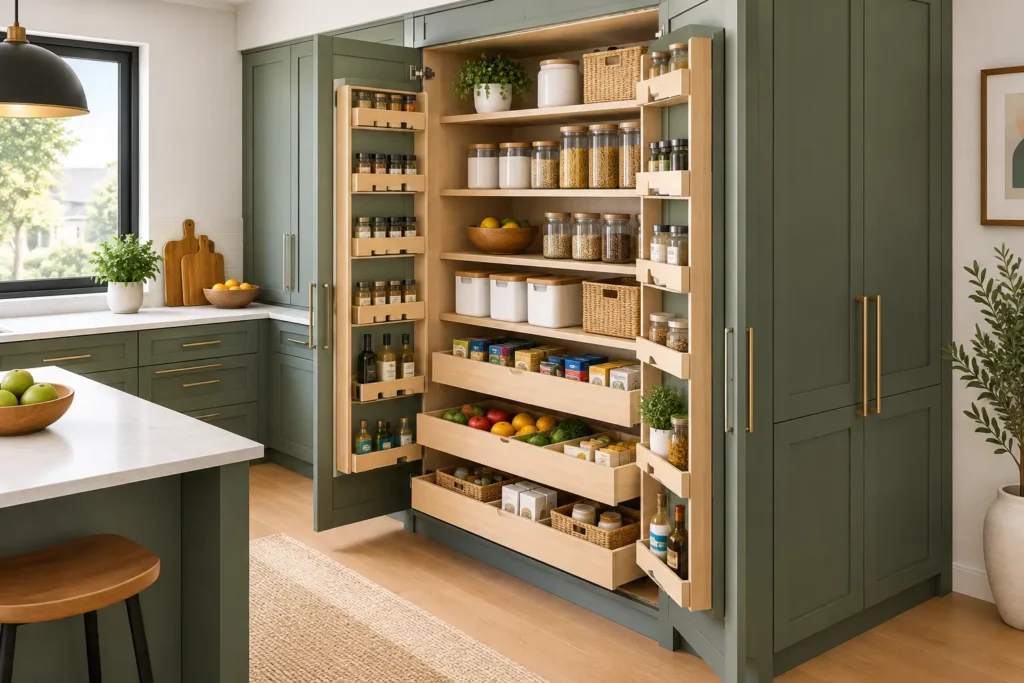
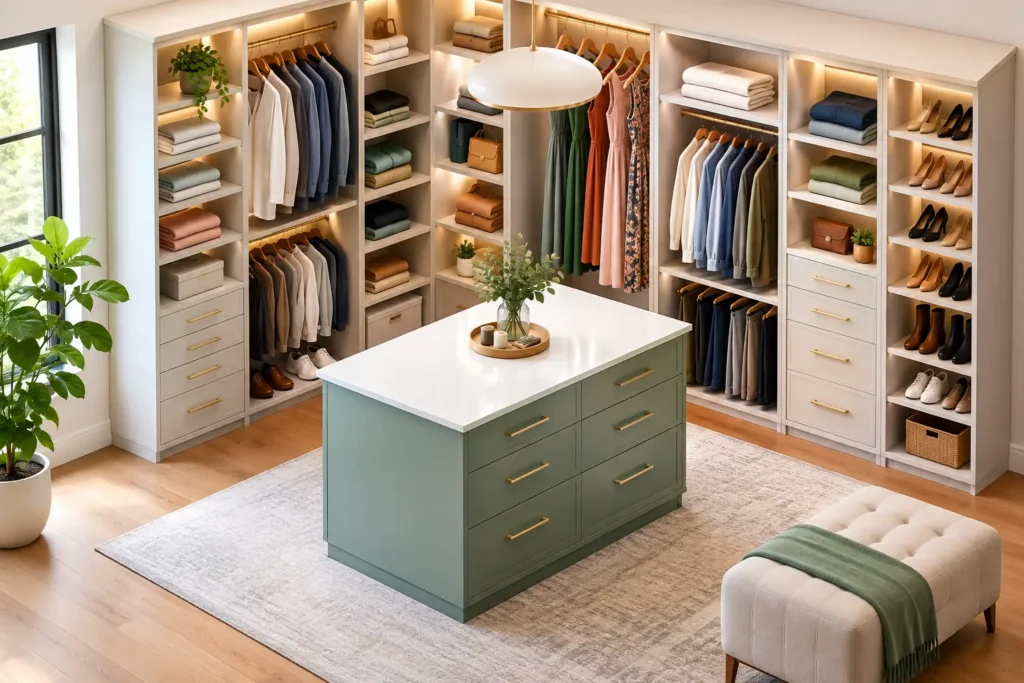
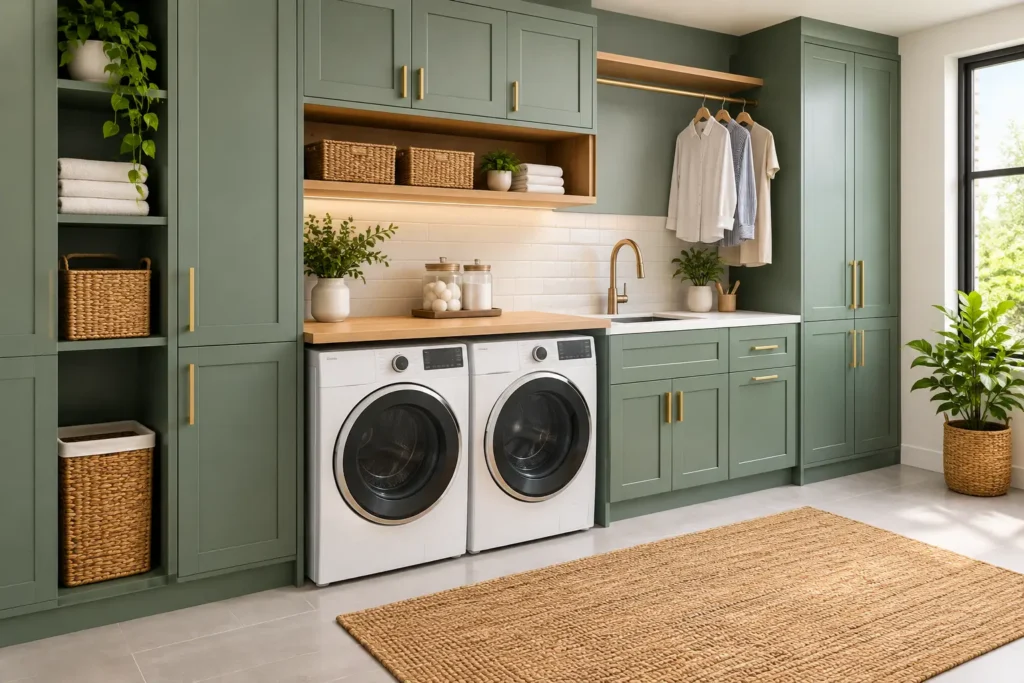
Floor-to-ceiling cabinetry can offer substantial storage without expanding the office footprint. In a compact room, this approach is often more effective than adding several freestanding pieces. Upper cabinets can hold seasonal files, extra equipment, and materials that do not require daily access, while lower cabinets and drawers keep work essentials close at hand.
Height should not be added simply because it is available. A tall built-in should be proportioned to the ceiling and surrounding openings, with crown molding, panel details, or a clean reveal selected to suit the home’s interior architecture. The result should feel refined, not imposing.
Give the desk a permanent framework
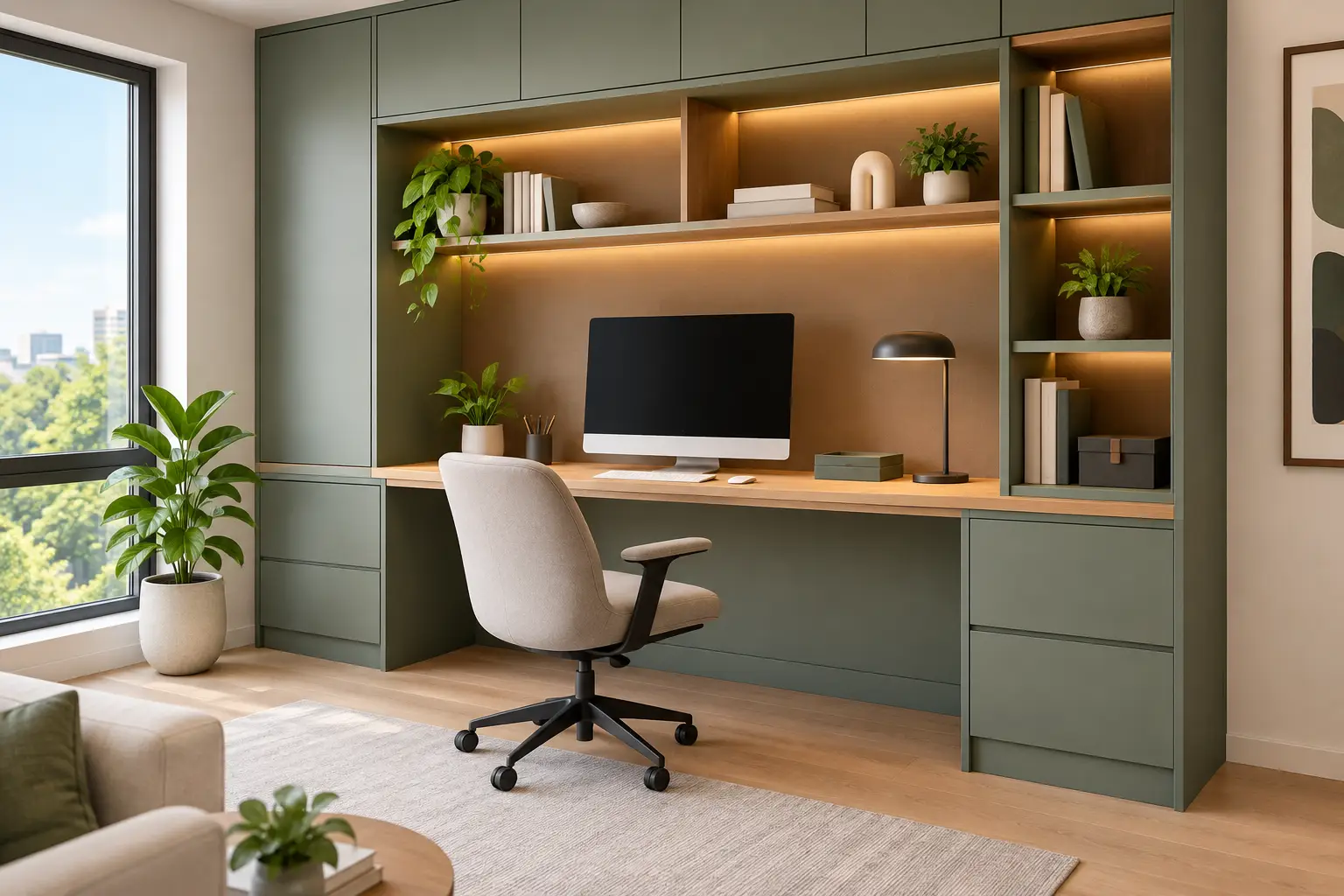
A desk performs best when it is integrated with the storage around it. Base cabinets can support a generous work surface while providing drawers for supplies and file storage below. Upper shelving or cabinets can frame the desk without making the seating area feel enclosed.
This is also the right time to account for technology. Printers, monitors, routers, charging stations, and cords all need a considered location. Cabinetry can incorporate dedicated equipment spaces, ventilation where appropriate, and concealed pathways for wires. These details may not be the first elements a visitor notices, but they are often what make the office easier to use every day.
Choose open shelving carefully
Open shelves are valuable when they have a clear purpose. They can break up a larger cabinet elevation, provide quick access to frequently used books, and introduce warmth through personal objects. But they also require discipline. If the office is likely to collect loose papers, shipping materials, or small electronics, more closed storage will usually serve the room better.
A measured mix often produces the most timeless result: enclosed cabinets for work materials, a few open shelves for display, and a desk surface left largely clear. This arrangement gives the room a finished appearance even during a busy week.
Storage Details That Improve the Workday
The difference between standard cabinetry and a tailored storage system often appears in the details. Drawer depth, shelf spacing, cabinet door style, and hardware placement should all respond to the contents they will hold. Shallow drawers are useful for stationery and charging accessories, while deeper drawers can accommodate files, larger equipment, or bulk office supplies.
Adjustable shelving offers flexibility, particularly in offices that may change function over time. A room used today for remote work may later become a study, library, or guest space. Cabinet interiors that can adapt help preserve the value of the investment without requiring a complete redesign.
File storage deserves particular attention. Storing records in ordinary shelves often leads to leaning stacks and wasted space. Dedicated file drawers provide a cleaner solution, especially for homeowners who still need to keep paper records accessible. If filing is minimal, a smaller drawer section may be enough. If the office supports a business or manages extensive household documentation, larger filing capacity should be planned from the beginning.
Lighting is another practical consideration. Task lighting at the desk is essential, but integrated cabinet lighting can improve visibility on shelves and add depth to a built-in wall. It is most effective when it supports the design quietly rather than becoming a decorative distraction.
Selecting Materials and Finishes Built to Last
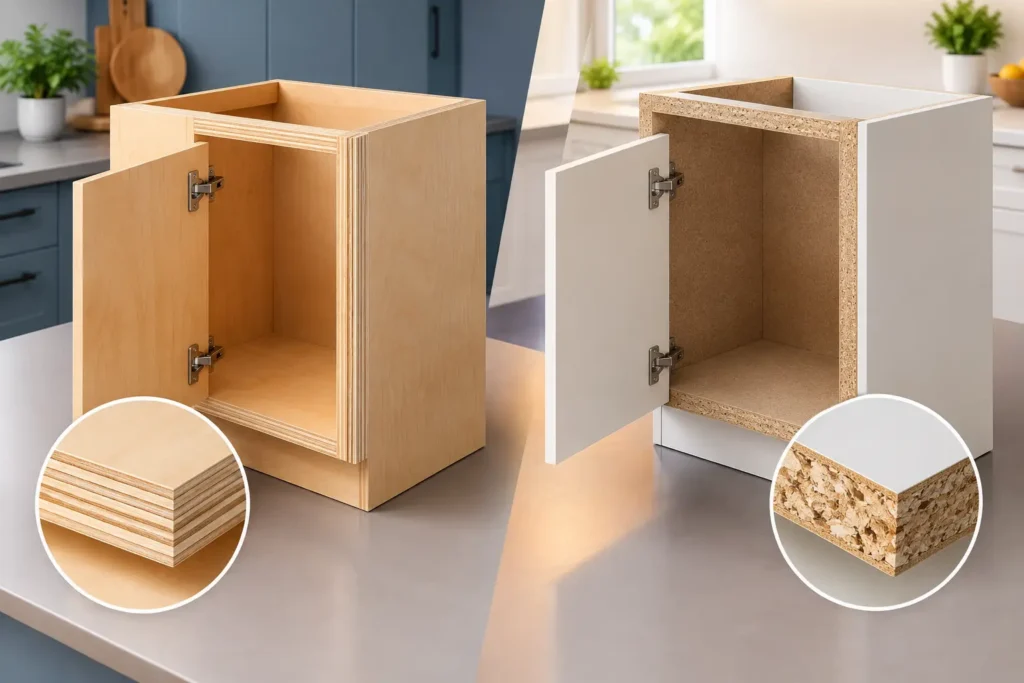
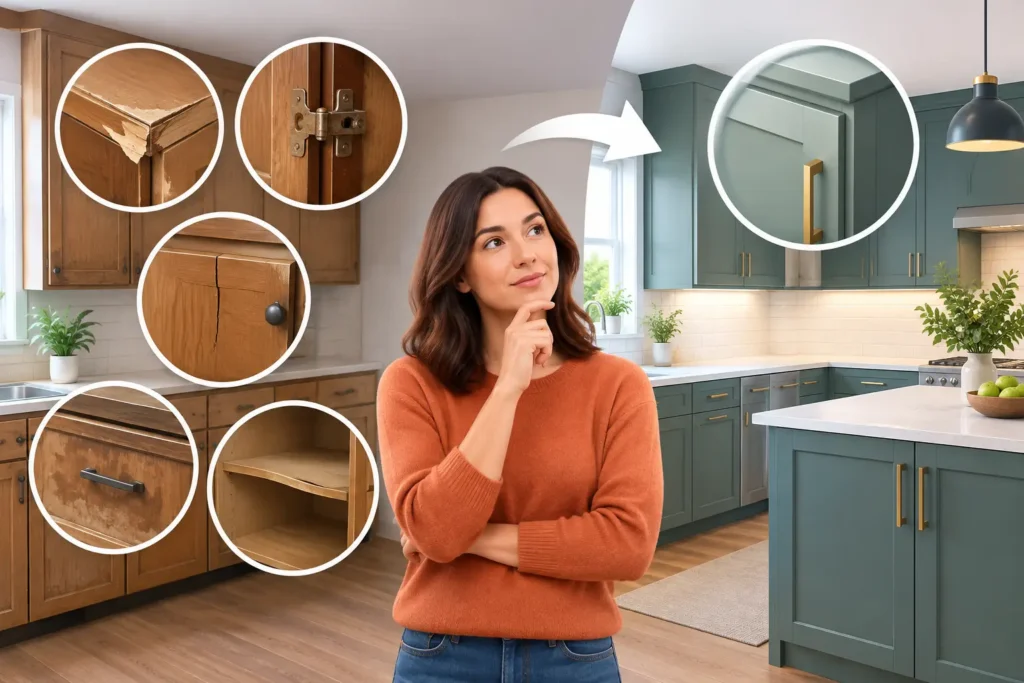
Home office cabinetry is visible every day, so its materials and finish should hold up to regular use. Doors are opened repeatedly, drawers carry weight, and desktop surfaces are exposed to laptops, writing instruments, and the occasional coffee cup. Durable construction and careful installation matter as much as the cabinet style.
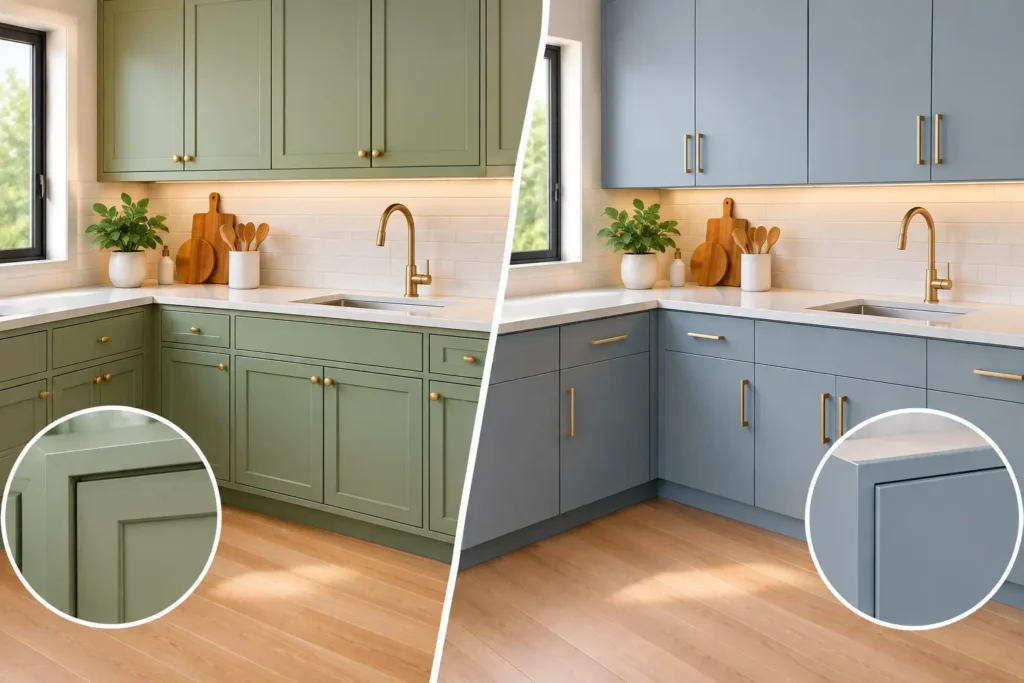
The finish should connect the office to the rest of the home. Painted cabinetry can complement existing trim and wall paneling, creating a classic, cohesive look. Wood finishes can introduce warmth and depth, especially in offices that serve as libraries or more formal workspaces. Clean-lined slab doors may suit a contemporary interior, while recessed or raised panel profiles can echo traditional architectural details.
Timeless design does not require every office to look the same. It means selecting proportions, materials, and details that will remain appropriate as furnishings and technology evolve. Highly specialized configurations or overly trendy finishes can limit flexibility. A well-designed custom built-in should feel current without depending on a short-lived trend.
When Built-Ins Are Worth the Investment
Freestanding furniture can be a sensible choice for a temporary office or a room that will soon change purpose. It offers flexibility and typically requires a lower initial investment. The trade-off is that it rarely uses the room as efficiently, and it can leave awkward gaps, exposed cords, and inconsistent finishes.
Custom home office storage is most valuable when the office is a long-term part of the household and organization is a continuing concern. It is particularly effective in rooms with challenging dimensions, limited floor area, sloped ceilings, or a need to coordinate with existing architectural trim. Built-ins can also make a multipurpose room feel more intentional by giving work materials a defined, concealed home.
For Central New Jersey homeowners, thoughtful cabinetry can be an especially meaningful improvement in homes where one room needs to perform several roles without looking cluttered. Precision-crafted storage supports the practical demands of work while adding permanence and visual refinement to the property.
A Better Starting Point for an Organized Office
The most successful office projects begin with an honest inventory of what the room needs to hold and how the household expects to use it over the next several years. Bring measurements, examples of the materials you use every day, and a clear sense of what currently creates frustration. From there, a careful consultation can shape cabinetry, shelving, desk space, and finishes into a tailored system that feels composed, works efficiently, and is built to last.