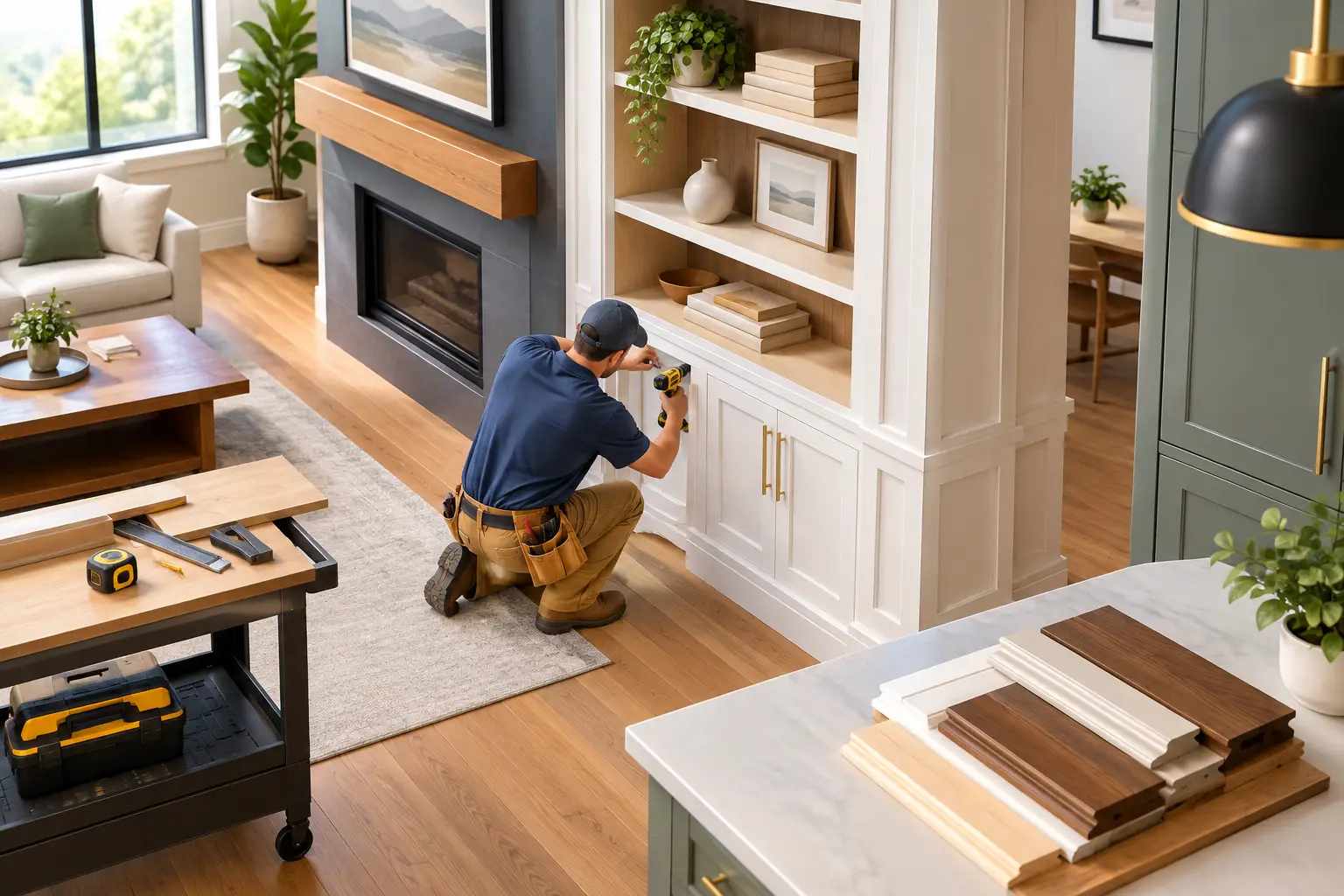
A well-designed room can still feel unfinished when the details do not belong to the home. Gaps around built-ins, generic trim profiles, awkward storage, and cabinetry that ignores the room’s proportions all weaken the finished result. A residential millwork contractor addresses those visible and practical details with custom interior elements designed for the way your home looks, functions, and endures.
For homeowners in Central New Jersey, millwork is often the difference between a renovation that feels assembled and one that feels considered. Whether the goal is a more refined kitchen, a better-organized closet, decorative wall paneling, or architectural trim that adds character, the work should be tailored to the property rather than pulled from a standard template.
What a Residential Millwork Contractor Does
Residential millwork includes the crafted wood and wood-based elements that define an interior. It can be as subtle as precisely installed crown molding and baseboards or as substantial as a full wall of custom cabinetry, a window seat, a mudroom storage system, or a built-in library.
A qualified contractor brings design intent and installation together. That means assessing wall conditions, ceiling height, existing trim, door locations, electrical access, and how the space will actually be used before materials are selected or fabrication begins. The finished work should look intentional from every angle, not merely fit within the available opening.
This differs from purchasing a cabinet or trim package and arranging for installation. Stock components can work in straightforward spaces and may suit a limited budget. But they often require compromises in width, depth, profile, finish, or alignment. Custom millwork is most valuable when a room has unusual dimensions, existing architectural details worth preserving, or storage demands that standard products cannot answer well.
Where Custom Millwork Makes the Greatest Difference
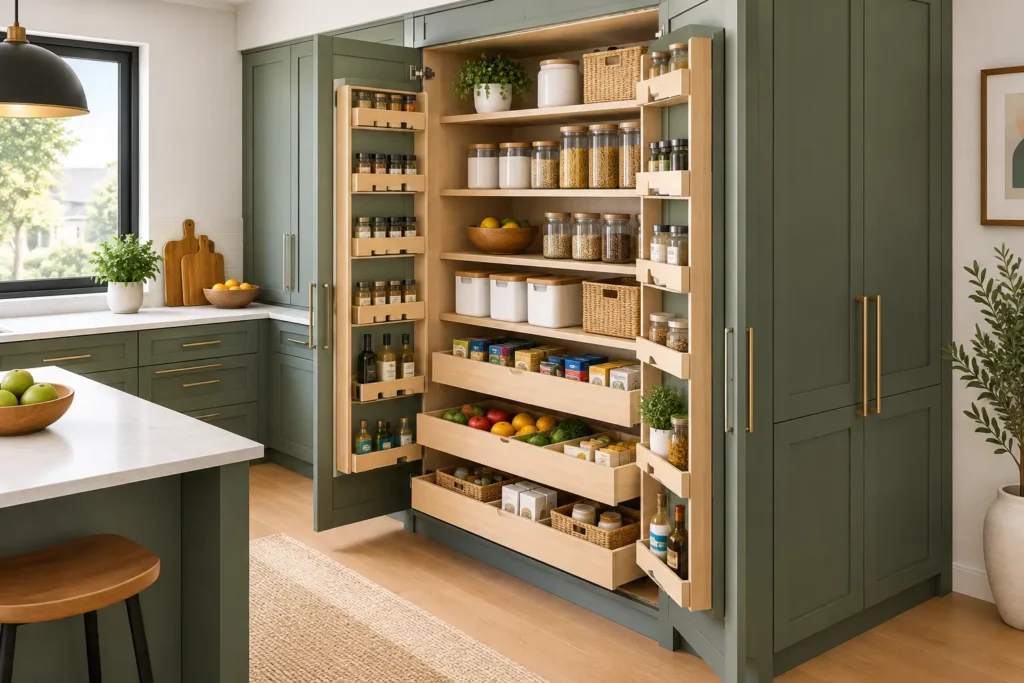
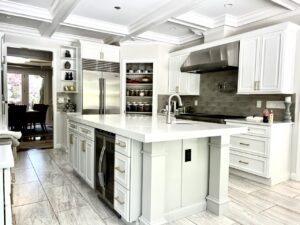
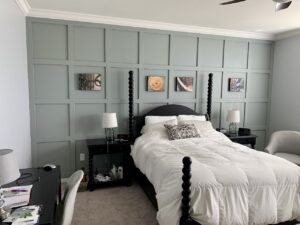
The best opportunities are usually the rooms homeowners use every day. A kitchen may need refinished cabinetry, a tailored pantry surround, or a coordinated range hood enclosure to create a more cohesive appearance without changing the entire footprint. In a foyer or family room, wall paneling and carefully proportioned molding can introduce architectural character that feels consistent with the rest of the home.
Built-In Storage That Works Harder
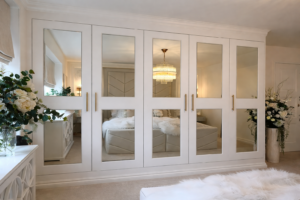
Custom storage is not only about adding cabinets. It is about making the right items easy to store and easy to reach. A thoughtfully designed closet can provide dedicated zones for long garments, folded clothing, shoes, accessories, and seasonal pieces. A mudroom can contain bags, coats, sports equipment, and footwear before they spread across the house.
The details matter here: drawer depth, shelf spacing, door swing, hardware placement, and clearances around walkways all affect daily use. A system that looks attractive but creates friction every morning has missed its purpose. Tailored cabinetry should organize a household while maintaining clean lines and a refined finish.
Architectural Trim With Proper Proportion
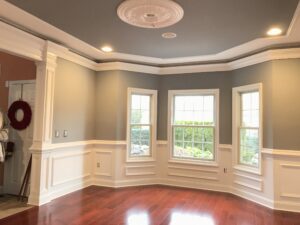
Trim is often treated as an afterthought, yet it has an outsized effect on a room’s visual balance. Baseboards, casings, crown molding, panel molding, and wainscoting establish transitions between walls, floors, ceilings, windows, and doors. When profiles and dimensions are selected carefully, they can make a standard room feel more established and complete.
There is no single “best” trim size or style. A profile that suits a traditional Colonial home may look overly decorative in a clean-lined contemporary interior. Ceiling height, window scale, existing millwork, and the desired level of formality should guide the decision. The objective is timeless character, not a detail that feels added simply because it is currently popular.
The Value Is in the Process, Not Just the Product
Millwork is highly visible, permanent work. A slight inconsistency in a reveal, an uneven cabinet face, or a poorly scribed end panel can be noticed every time someone enters the room. That is why the contractor’s process matters as much as the finished material.
A strong project begins with a detailed consultation. Before proposing a solution, the contractor should understand how the room is used, which features are frustrating, what architectural style the homeowner wants to preserve, and what the investment needs to accomplish. For builders and interior designers, this stage also ensures that specifications, finish expectations, and site conditions are understood before installation day.
Accurate measuring follows. Older homes, in particular, rarely offer perfectly square walls or level floors. Custom work must account for those conditions rather than expose them. Careful fabrication and precise fitting allow cabinetry, panels, and trim to appear integrated with the structure.
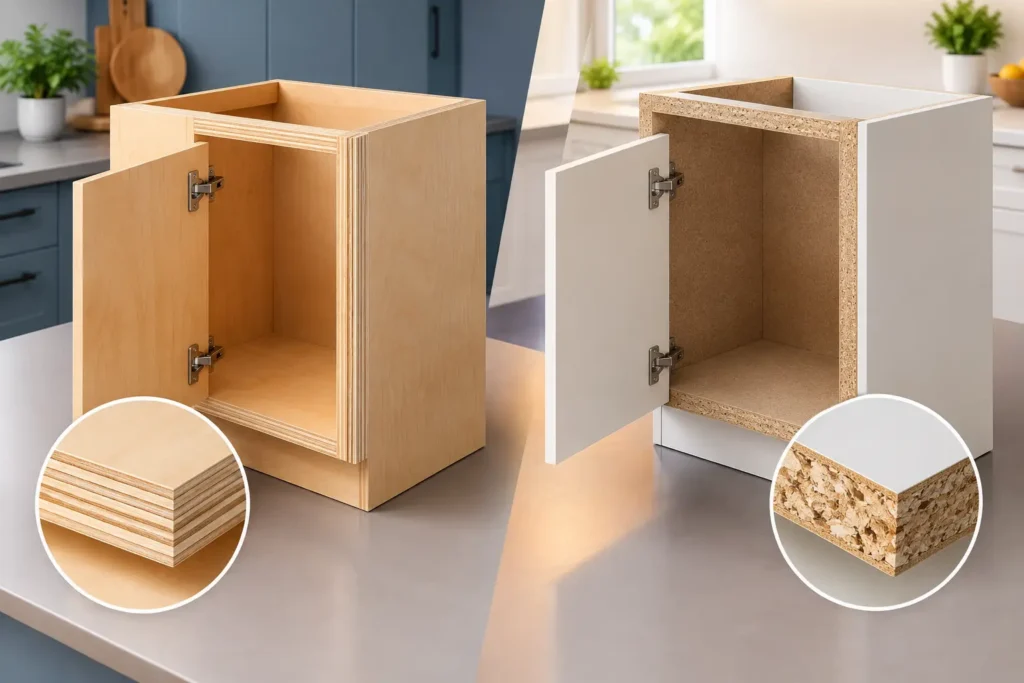
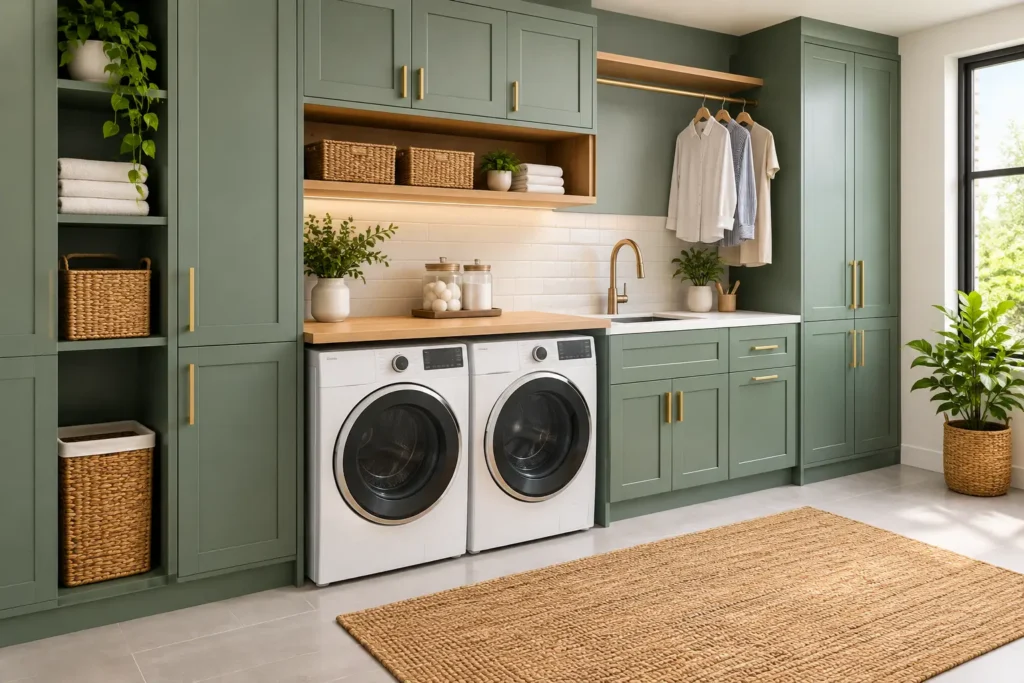
Material selection is another critical decision. Durable cabinet construction, stable sheet goods, appropriate wood species, quality hardware, and finishes suited to the room all influence long-term performance. A laundry area, kitchen, or entry requires materials that can handle more wear than a formal sitting room. Choosing based on appearance alone can create maintenance issues later.
Finally, installation must be clean and deliberate. Proper fastening, alignment, filler treatment, caulking, and finish work are what turn individual components into a finished interior feature. DoMolding LLC applies more than 25 years of hands-on trade experience to this level of detail, delivering tailored work designed to look right on day one and remain dependable over time.
How to Choose the Right Contractor
The right residential millwork contractor should be able to explain not only what will be built, but why the proposed approach suits your home. Ask how the work will relate to existing trim, flooring, cabinetry, and wall conditions. Request clarity on materials, finishes, lead times, and the installation sequence, particularly if other trades are involved.
Experience with visible finish work is essential. Rough construction skills do not automatically translate to the precision required for architectural millwork. Look for a contractor who understands reveals, symmetry, proportion, finish consistency, and the small adjustments necessary to make a built-in appear original to the house.
It is also wise to consider scope. Some projects call for a single focal feature, such as a fireplace surround or a custom closet. Others benefit from a coordinated approach across several spaces, such as kitchen refinishing, pantry storage, and trim updates. A capable contractor can help distinguish between improvements that will create a meaningful change and additions that may complicate the design without adding lasting value.
Plan for Function Before Appearance
The most successful millwork projects balance visual refinement with practical requirements. Start by identifying what the space needs to do better. Perhaps a kitchen lacks storage for small appliances, a closet wastes vertical space, or a family room needs enclosed cabinetry for media and everyday items. Those needs should shape the design from the beginning.
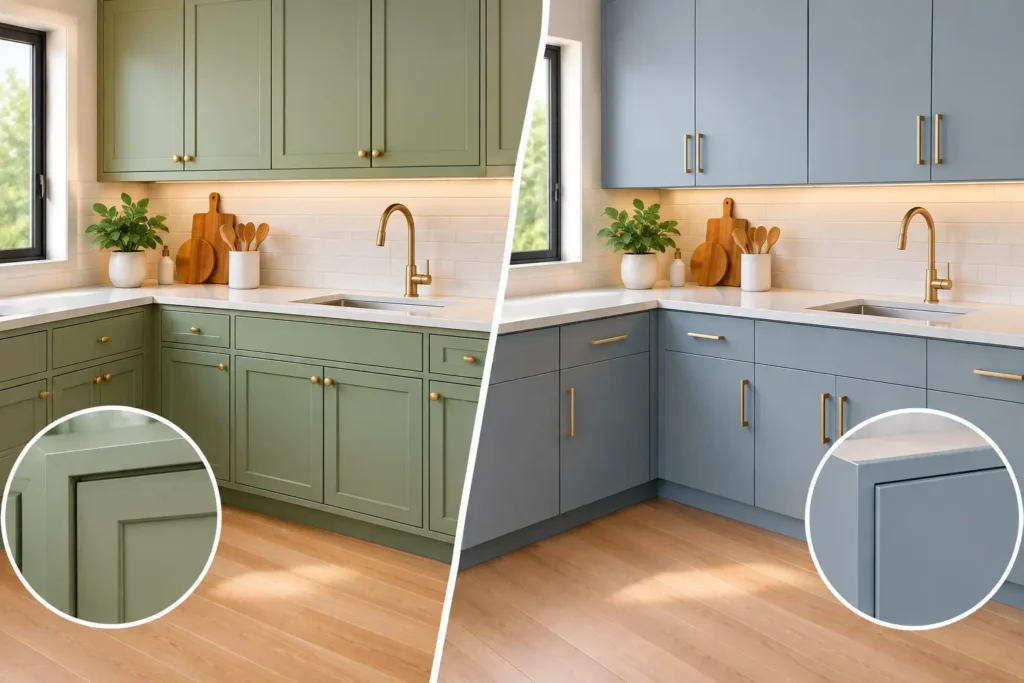
Then consider the details that make the feature feel at home: door style, trim profile, panel layout, paint color, wood tone, hardware, and lighting. A timeless result usually comes from restraint and proportion, not from adding every possible decorative element.
Budget should also be discussed early. Custom work is an investment because it involves individual planning, quality materials, skilled fabrication, and precise installation. Where priorities must be set, it is often better to complete one highly visible area properly than to spread the budget across several generic upgrades. A well-built focal feature can improve both daily function and the overall perception of the home.
A home does not need to be fully renovated to feel more finished. The right cabinetry, storage, paneling, or trim can bring order to an awkward room and give it the architectural presence it has been missing. Begin with the spaces that affect your routine most, then choose craftsmanship that is designed to remain part of the home for years to come.