A cabinet may occupy only one wall, one alcove, or one underused corner, yet it can determine how an entire room works. When proportions are off, doors bind, storage is shallow, or finishes clash with the surrounding architecture, even an expensive room can feel unfinished. A professional cabinet maker approaches the work differently: as a permanent part of the home that must look refined, function effortlessly, and hold up to daily use.
For Central New Jersey homeowners investing in kitchens, closets, living spaces, and built-in storage, the value is not simply in adding more cabinetry. It is in creating a tailored solution that fits the property, supports everyday routines, and brings a more cohesive architectural character to the room.
A Professional Cabinet Maker Starts With the Space
Quality cabinetry begins well before material is cut or hardware is selected. A room has its own conditions: walls that are not perfectly square, floors that vary slightly in height, existing trim profiles, window locations, mechanical elements, and traffic patterns. These details affect both the appearance and performance of the finished work.
A professional assesses the space as it truly exists rather than designing around idealized measurements. That careful evaluation helps prevent the visible compromises common in mass-produced installations, including uneven reveals, awkward filler strips, doors that conflict with appliances, and cabinetry that appears disconnected from the rest of the home.
The conversation should also focus on how the household uses the room. A kitchen needs different solutions for a family that cooks daily than for one designed primarily for entertaining. A mudroom may need durable concealed storage for seasonal gear, while a home office may require accessible filing, integrated lighting, and a clear visual backdrop. Tailored cabinetry is successful when it serves these routines without making the room feel overly built-in or crowded.
Custom Cabinetry Is More Than a Choice of Finish
Color and door style matter, but they are only the visible layer of custom work. The real distinction is found in the dimensions, internal organization, construction details, and installation standards behind the finished surface.
Custom cabinetry can be designed around a narrow wall, a sloped ceiling, an existing fireplace, or an unusual room layout. It can extend storage to the ceiling, create a balanced composition around a window, or turn a difficult recess into a useful feature. In older homes especially, this flexibility can make the difference between cabinetry that merely fits and cabinetry that feels original to the property.
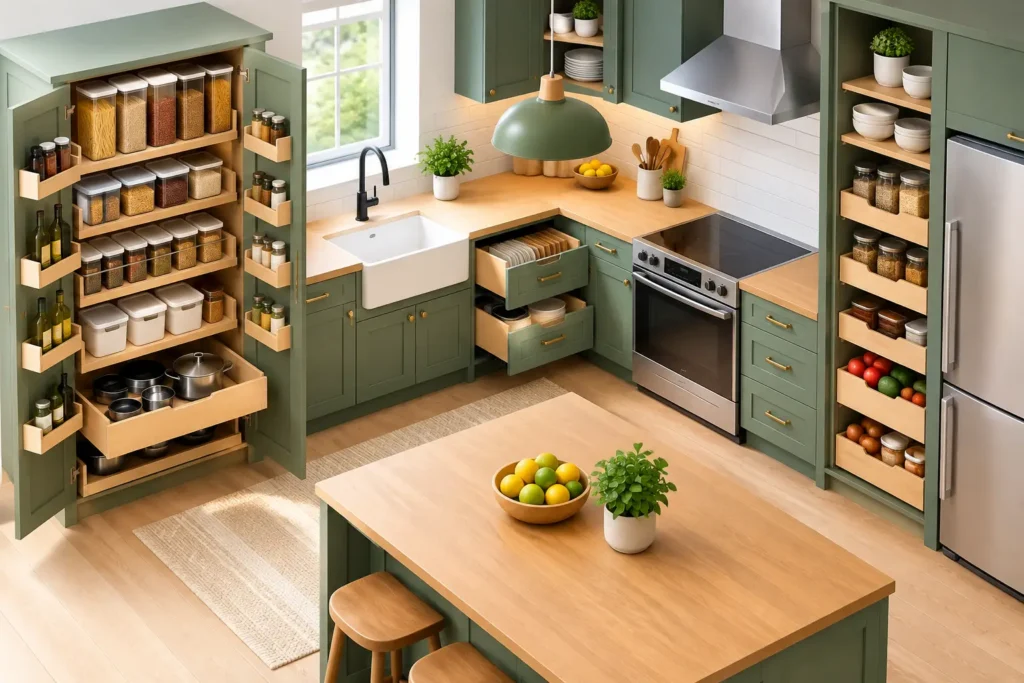
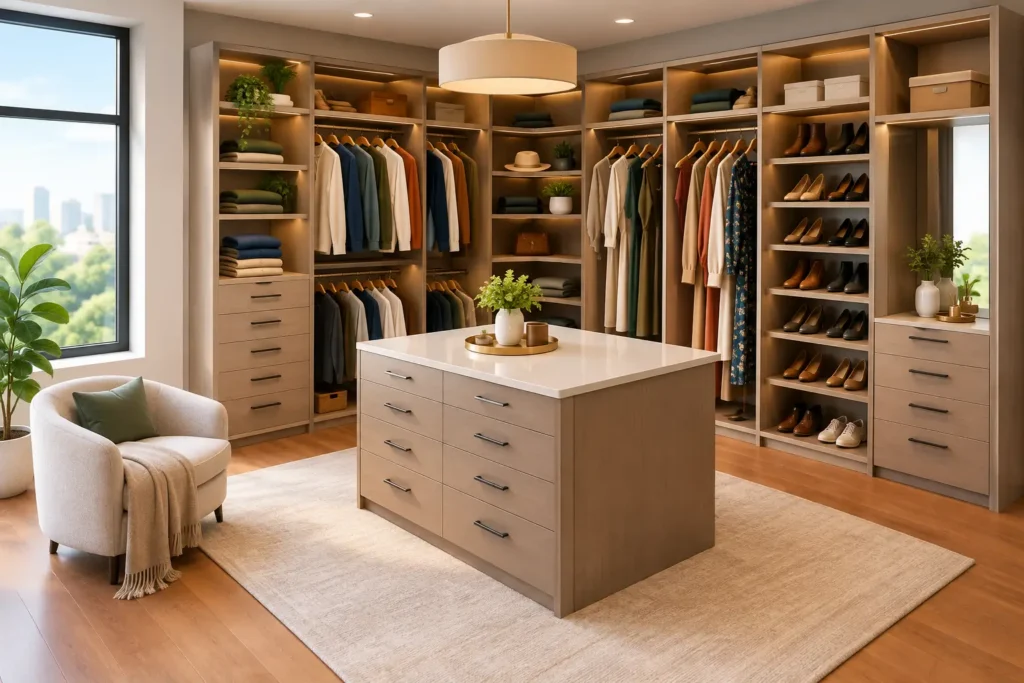
Interior details deserve the same attention. Deep drawers may be more practical than lower cabinets with fixed shelves. Vertical dividers can organize trays and cutting boards. A well-planned closet may combine hanging sections, drawers, adjustable shelves, and dedicated areas for shoes or accessories. The best configuration depends on the homeowner’s needs, not a standard cabinet box.
There are trade-offs. Fully customized interiors and specialty hardware can increase the project investment, and highly specific features may be less flexible if household needs change years later. A thoughtful cabinet maker helps clients decide where customization will have the greatest long-term value and where a simpler approach is the wiser choice.
Proportion Creates a More Refined Result
Cabinetry should relate to the room around it. A tall built-in may need to align with a doorway or window head. Crown molding may need to continue an existing profile. A base cabinet, floating shelf, or media unit should carry a visual weight that suits the scale of the wall.
These decisions are subtle, but they are what give finished millwork a composed, timeless appearance. A cabinet maker with finish-carpentry experience understands that cabinetry is not an isolated product. It is part of the interior architecture.
Materials and Construction Determine Longevity
Cabinetry is expected to perform every day. Doors open repeatedly, drawers carry weight, shelves support stored items, and finishes are exposed to moisture, fingerprints, cleaning products, and sunlight. Materials and construction methods should match that reality.
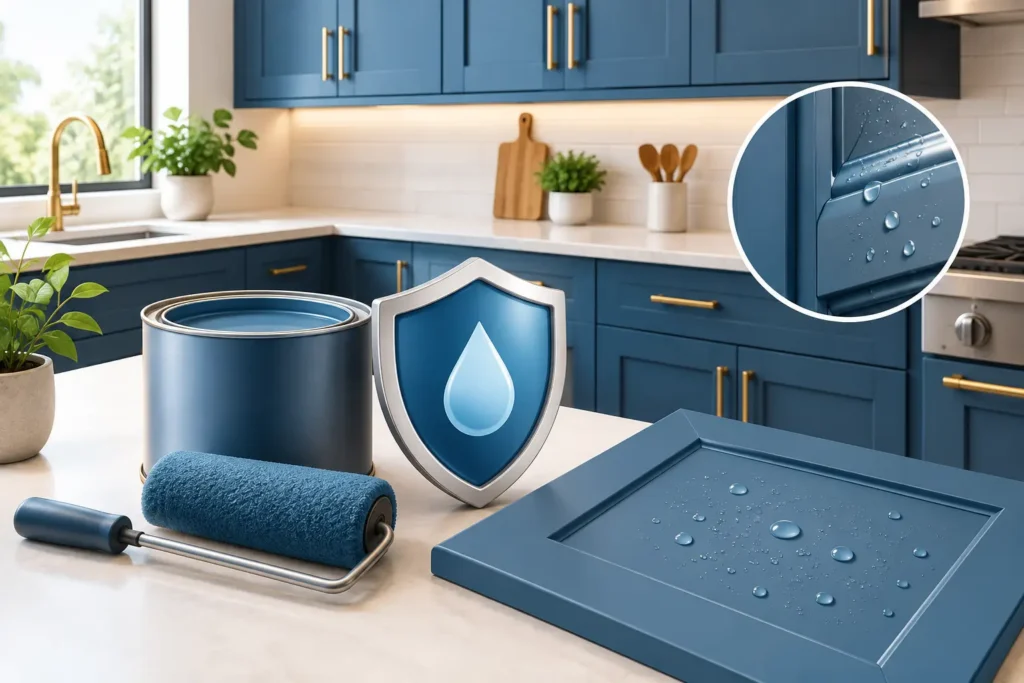
The right choice depends on the application. Painted cabinetry may call for stable, paint-grade materials that produce clean, consistent surfaces. Natural wood cabinetry requires thoughtful grain selection and finishing to achieve a balanced appearance. In humid areas, near sinks, or in active family spaces, moisture resistance and finish durability deserve particular attention.
Hardware is equally important. Quality hinges and drawer slides support proper operation over time, while properly constructed boxes and securely installed components help prevent sagging, racking, and premature wear. These elements may not be the first thing a visitor notices, but homeowners notice them every time they use the space.
A lower upfront price can be appealing, particularly for a room that needs a quick update. However, poorly fitted cabinetry often reveals its limitations early through misaligned doors, loose hardware, chipped edges, and inefficient storage. For visible, permanent improvements, durability is not an extra. It is part of the value.
Installation Is Where Precision Becomes Visible
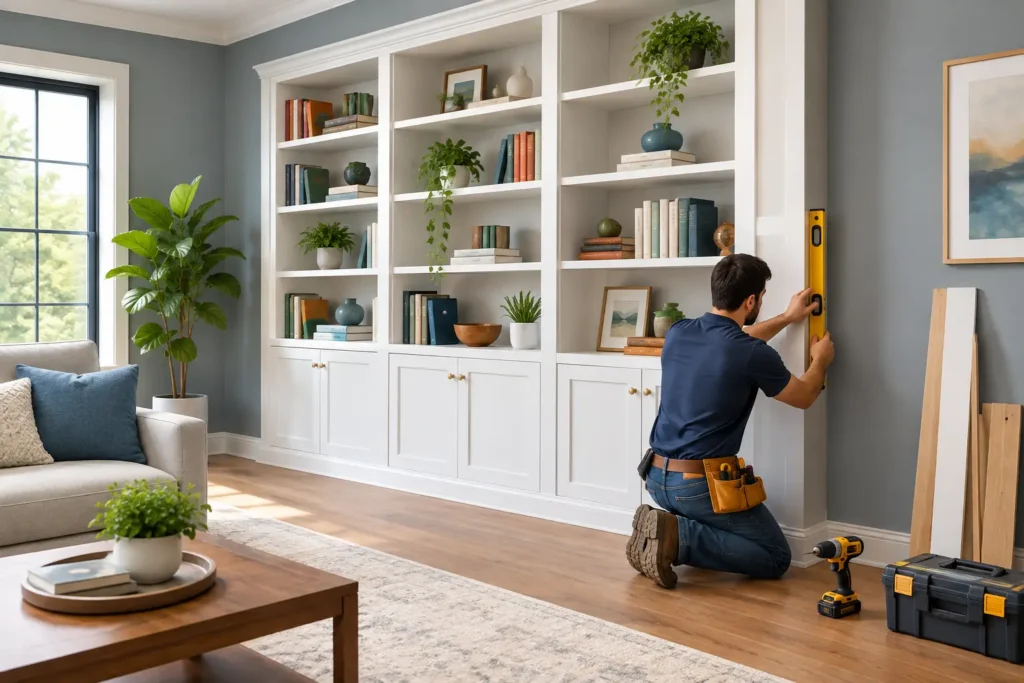
Even well-made cabinetry can look disappointing without careful installation. Walls and floors are rarely perfectly level or plumb, which means cabinets must be measured, scribed, leveled, secured, and adjusted with patience. Gaps must be addressed cleanly, doors aligned consistently, and trim integrated so it appears intentional.
This is particularly important when cabinetry meets architectural molding, wall paneling, stone countertops, tile, or existing flooring. Each transition needs to be considered. A rushed installation can leave a project looking pieced together; precise finish work gives it a polished, built-to-last presence.
At DoMolding LLC, more than 25 years of hands-on trade experience informs this level of execution. The goal is not simply to install cabinets in a room, but to deliver refined interior craftsmanship that looks settled into the home from the first day.
Where a Cabinet Maker Adds the Most Value
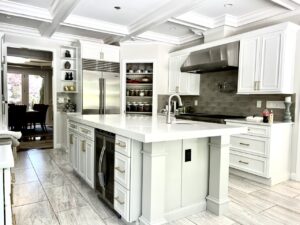
Kitchens are the most familiar setting for custom cabinetry, but they are far from the only opportunity. Thoughtfully designed cabinets and built-ins can improve both the organization and the visual appeal of many areas of the home.
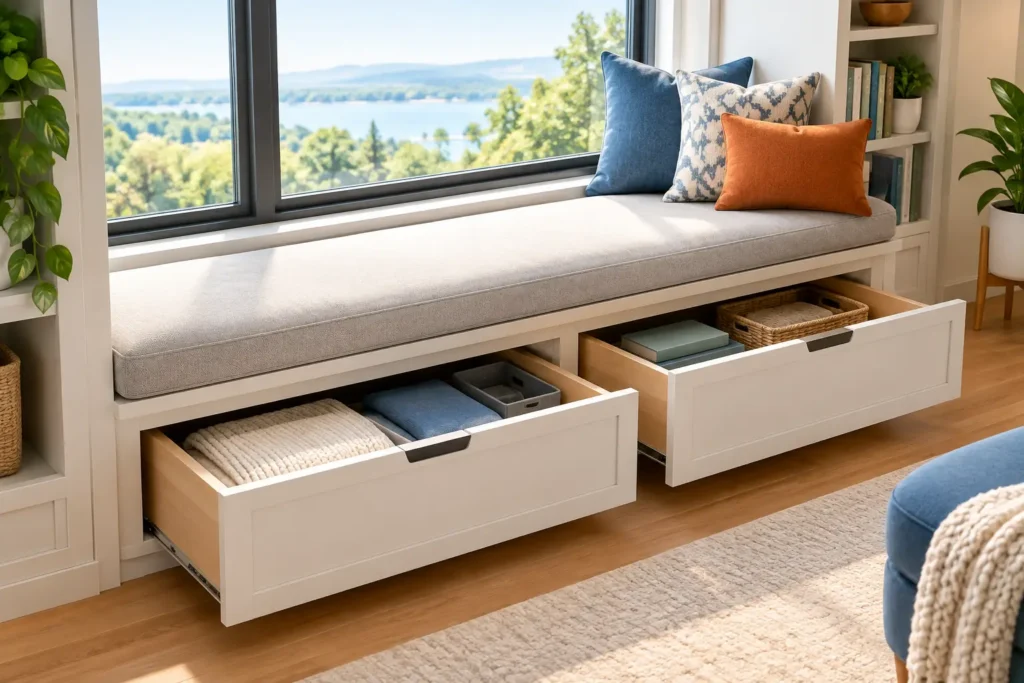
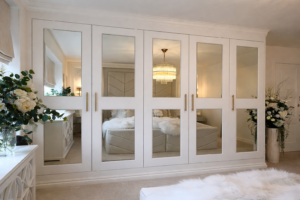
In living rooms, a tailored media wall or library unit can conceal equipment, display meaningful pieces, and add architectural balance around a fireplace. In bedrooms, custom closets can replace clutter with storage that is easier to use and more appropriate to the room’s dimensions. In entryways and mudrooms, built-in benches, cubbies, and closed cabinets can create a more orderly transition into the home.
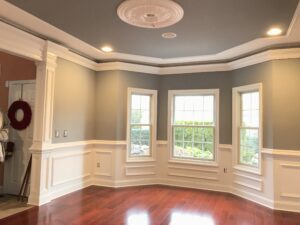
Cabinetry also works especially well alongside decorative wall paneling, architectural trim, and molding. When these details are planned together, the result feels more unified than a collection of separate upgrades. The cabinetry can carry the same lines, proportions, and finish sensibility as the surrounding millwork.
Questions Worth Asking Before a Project Begins
Before selecting a cabinet maker, homeowners should look beyond photos of finished projects. Ask how the existing room will be measured and evaluated, what materials are appropriate for the intended use, and how the cabinetry will connect with nearby trim, walls, and flooring. It is also helpful to discuss lead times, finish samples, hardware options, and which parts of the design are fixed versus adjustable.
For builders and interior designers, dependable coordination is just as important. Cabinetry must align with project specifications, electrical locations, countertop schedules, appliance dimensions, and the work of other trades. A skilled partner brings attention to those details early, reducing avoidable adjustments later in the project.
Cabinetry Should Earn Its Place in the Home
The strongest cabinetry does not compete for attention. It makes a kitchen easier to use, a closet more orderly, a living area more composed, and a room more complete. Its quality is apparent in the fit of a door, the feel of a drawer, the line where molding meets a cabinet, and the confidence that the work will continue to perform over time.
When planning a permanent interior improvement, choose a professional cabinet maker who sees the room as a whole. The right design and careful installation can turn everyday storage into a tailored feature that supports the way you live and respects the character of your home.