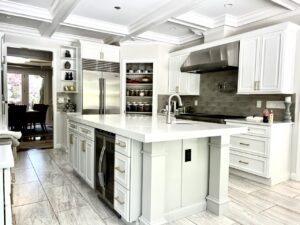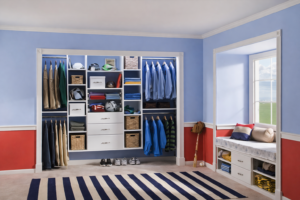
A cabinet can look refined on installation day and still reveal its quality years later – at the sink base, beneath a heavily loaded shelf, or when a hinge needs adjustment. That is why the decision between plywood versus particleboard cabinets deserves more attention than a showroom sample often receives. The best choice depends on where the cabinet will live, how it will be used, the finish it requires, and the level of long-term performance expected from the room.
For custom kitchens, built-ins, closets, and storage systems, material selection should support the design rather than compromise it. A tailored cabinet layout, carefully fitted doors, and clean architectural lines all benefit from a cabinet box that remains stable, holds hardware securely, and performs well under daily use.
Plywood Versus Particleboard Cabinets: The Core Difference
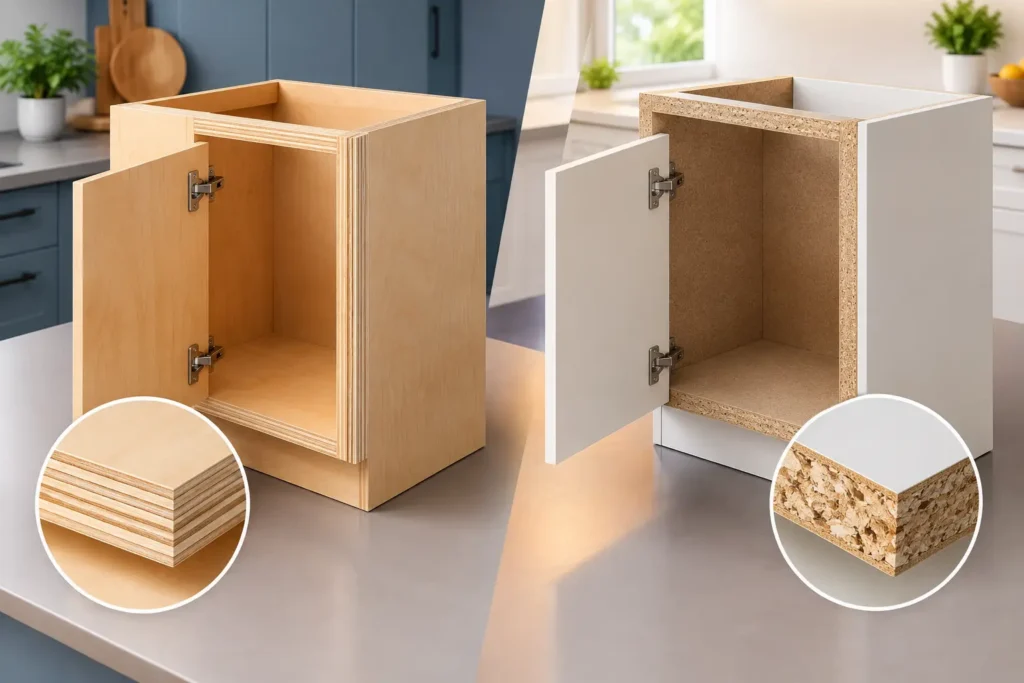
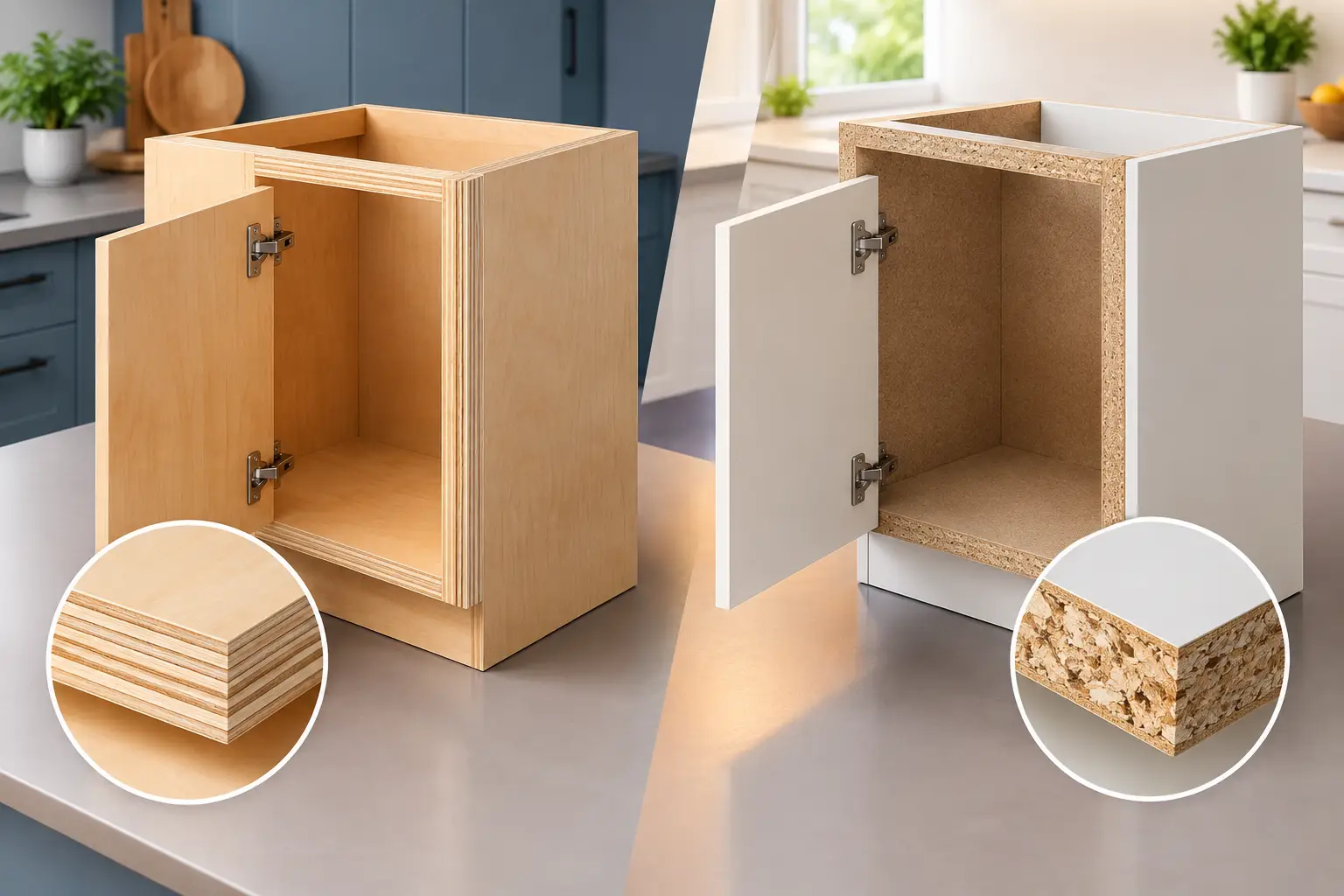
Plywood is built from thin layers of wood veneer, known as plies, bonded together with the grain direction alternating from layer to layer. This cross-grain construction gives plywood strength and dimensional stability. Cabinet-grade plywood is available in several qualities, and the face veneer, core construction, thickness, and adhesive all affect its performance.
Particleboard is an engineered panel made from wood particles, resin, and pressure. It has a smooth, consistent surface that works well beneath melamine, laminate, or veneer finishes. It is generally more economical than plywood and is widely used in factory-made cabinetry.
Neither material is automatically right or wrong. Particleboard is not the same as MDF, another engineered product made from finer wood fibers. Each panel has a different density, machining behavior, and ideal application. The question is not simply which material sounds more premium. It is whether the material has been specified appropriately for the cabinet’s location, structure, finish, and expected use.
Why Plywood Is Often Chosen for Custom Cabinet Boxes
Plywood has a strong reputation in higher-quality cabinetry for good reason. Its layered construction typically provides reliable screw-holding strength, which matters at hinges, drawer-slide mounting points, cabinet connections, and adjustable hardware. When properly fabricated and installed, a plywood cabinet box can handle the repeated opening, loading, and adjustment that comes with a busy kitchen or well-used storage area.
It also tends to perform more confidently around normal household humidity. Plywood is not waterproof, and it can still be damaged by a prolonged leak or standing water. Yet quality plywood is generally more forgiving than standard particleboard when exposed to incidental moisture. This makes it a sensible consideration for sink bases, bathroom vanities, laundry rooms, mudrooms, and other locations where moisture is part of everyday life.
For long shelves, plywood can also offer better resistance to sagging when the proper thickness and support are used. That matters in pantry cabinetry, bookcases, media built-ins, and closets designed for substantial storage. A cabinet is only as functional as its ability to stay straight, aligned, and dependable after it is filled.
Plywood does have variation. The quality of the veneer core can differ considerably between products, and lower-grade sheets may contain voids or inconsistent inner layers. A skilled cabinetmaker evaluates the material rather than relying on the word plywood alone. Thoughtful construction, edge treatment, joinery, and installation are what turn a good panel into cabinetry built to last.
Where Particleboard Can Be a Practical Choice
Particleboard remains a practical cabinet material in the right setting. Its smooth, uniform face accepts melamine and laminate surfaces cleanly, making it a common choice for contemporary interiors with crisp, consistent finishes. In dry areas, it can serve effectively in cabinet components that are well supported and not subject to excessive load or frequent disassembly.
It can also help control project cost. For homeowners renovating a kitchen or adding organized storage, using particleboard selectively may allow more of the budget to go toward tailored layout, upgraded drawer hardware, a refined door style, interior accessories, or architectural details that improve the finished space.
The limitations should be understood upfront. Standard particleboard has weaker screw-holding performance than quality plywood, particularly if a screw is removed and reinstalled repeatedly. It is also vulnerable to swelling when water reaches an unprotected edge or penetrates a damaged surface. Once particleboard swells, it rarely returns to its original shape or strength.
That does not mean every particleboard cabinet will fail. Properly manufactured panels, durable surface coatings, protected edges, and careful use can provide many years of service. But in areas where leaks, steam, wet shoes, or hard use are likely, its margin for error is narrower.
Moisture Changes the Recommendation
A kitchen sink cabinet is the clearest example of why material selection matters. Plumbing connections can loosen, a disposal may drip, and cleaning products are often stored close to the floor. A small leak that goes unnoticed can cause conventional particleboard to swell at the bottom panel, toe kick, or exposed edge. Plywood is not immune to water damage, but it generally provides a stronger foundation for a cabinet expected to face these risks.
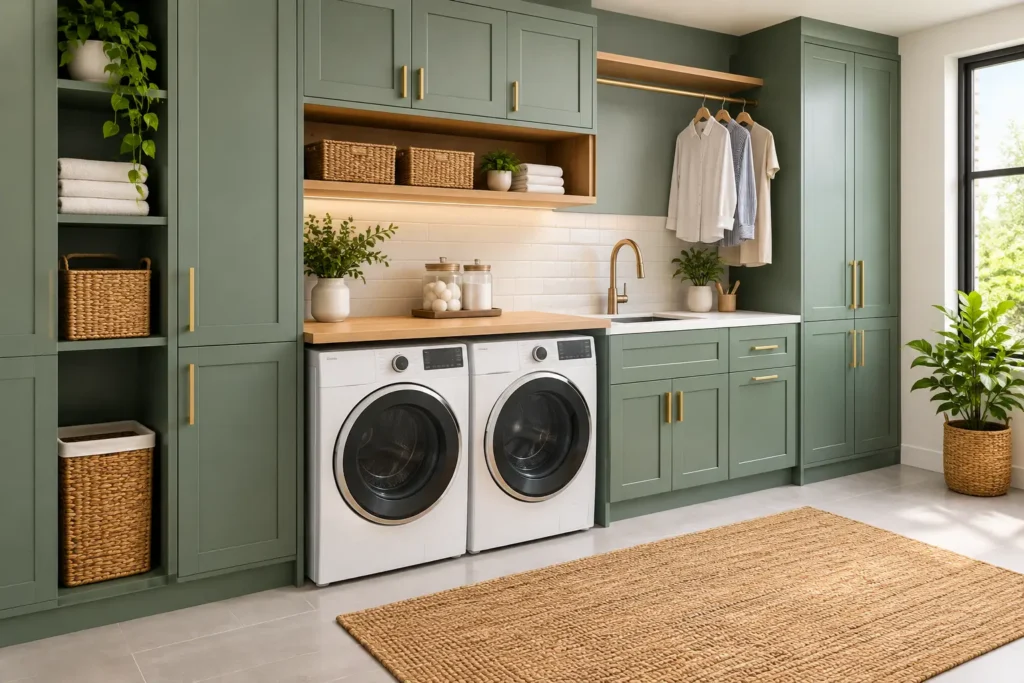
Bathrooms, laundry rooms, and entry storage deserve the same consideration. A vanity beside a shower, a cabinet near a washing machine, or a mudroom bench that stores damp gear should be designed with moisture exposure in mind. Durable finishes, sealed edges, appropriate clearances, and careful installation all work together with the panel material.
In a dry, climate-controlled room, the calculation changes. A wardrobe system, office built-in, or media cabinet may not require plywood throughout if particleboard is properly supported and finished. The cabinet’s use should guide the specification rather than a one-size-fits-all rule.
Finish Quality and Visible Edges
Most cabinet-box material is hidden once doors and drawer fronts are installed, but edges still matter. Plywood exposes layers at cut edges, which can become an attractive detail in modern designs when finished intentionally. More often, those edges are concealed with edge banding, finished panels, or face frames for a clean, cohesive appearance.
Particleboard requires reliable edge protection. Melamine-coated panels can look polished and durable on their faces, but an unprotected cut edge is a point of vulnerability. Quality edge banding, accurately applied, helps protect the core and improves the visual finish of shelves, interiors, and exposed cabinet ends.
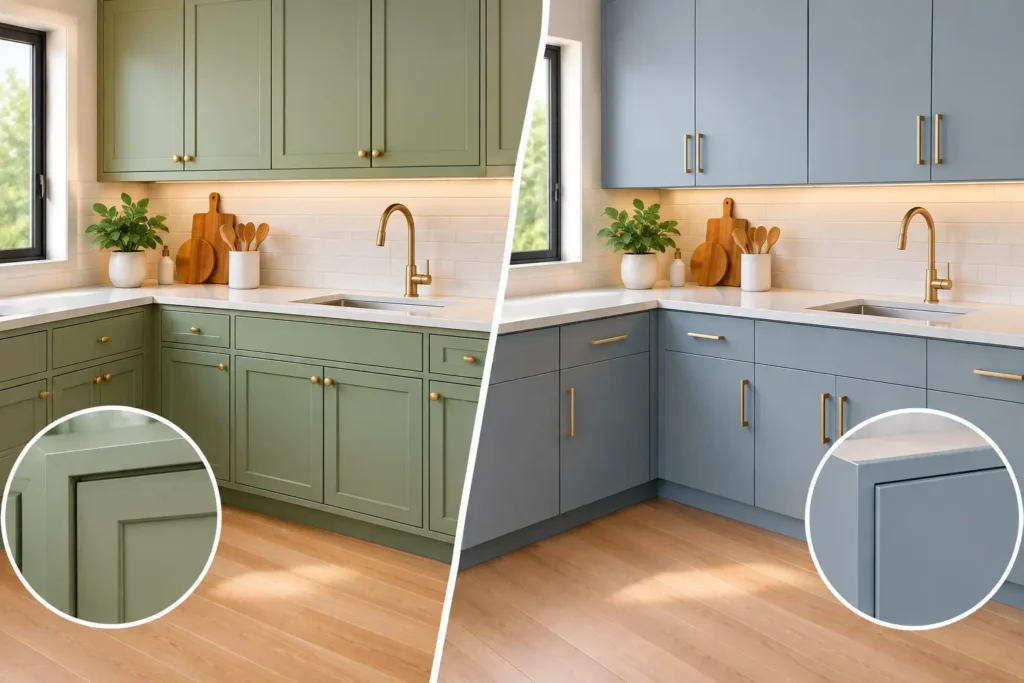
For painted doors and decorative face components, the conversation may involve other materials as well. MDF, for example, is frequently selected for smooth painted profiles because it machines consistently. A well-designed custom cabinet system may use different materials for boxes, doors, shelves, and finished panels rather than forcing one panel type into every role.
Cost Should Be Measured Beyond the Initial Quote
Particleboard typically costs less than cabinet-grade plywood, and that price difference can be meaningful across a full kitchen. Still, comparing cabinet proposals by material alone can be misleading. Panel thickness, shelf spans, hardware, back-panel construction, edge treatment, joinery, finish quality, and installation standards all influence value.
A plywood box with thin material, limited reinforcement, and basic hardware is not automatically superior to a thoughtfully engineered particleboard box. Likewise, a particleboard cabinet in a wet location may become expensive if early replacement is required. The better investment is a material and construction method suited to the home, not a label chosen in isolation.
Ask how the cabinet will be constructed at high-stress points. Consider the sink base, wide drawers, pull-out waste units, tall pantry cabinets, appliance surrounds, and long shelves. These are the places where thoughtful craftsmanship becomes visible in daily use.
Choosing the Right Material for Your Home
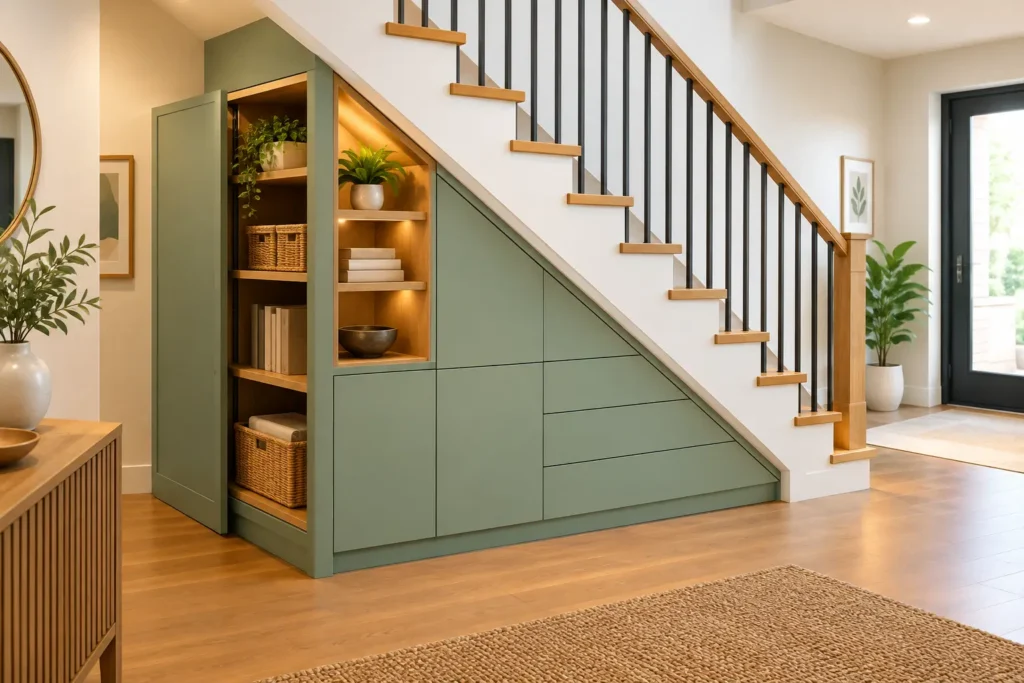
For many custom kitchen and storage projects, plywood is the preferred choice where strength, hardware performance, shelf stability, and moisture tolerance are priorities. It is especially worth considering for sink bases, heavy-use drawers, pantry systems, laundry cabinetry, and built-ins designed to serve a home for many years.
Particleboard can be appropriate for dry, protected cabinet interiors where a smooth melamine finish, budget discipline, and consistent appearance are the main goals. It is also suitable when the cabinet design provides sufficient support and the installation protects edges from damage and moisture.
At DoMolding, the material decision is part of a larger conversation about how a space should look, function, and endure. A refined result comes from matching the right cabinet construction to the room, then executing every detail with precision.
Before committing to a cabinet plan, consider what will happen after the room is complete: how often drawers will be opened, what shelves will carry, where water may travel, and whether the cabinetry should still feel solid a decade from now. Those everyday realities are the best guide to a choice that will continue to support a well-crafted home.